U-TOPIA:
2027 – 2028
Good Place or No Place?
Concept Note
01. Executive Summary
Political ideals are rarely born at scale; they are tested first in micro-enclosures.
U-TOPIA is an international, interdisciplinary project spanning two years (2027–2028) that explores how systems of governance, spatial design, and social engineering attempt to construct an ideal order – and why these attempts fluctuate between a functional Good Place (Eu-topia) and an unworkable No Place (Ou-topia).
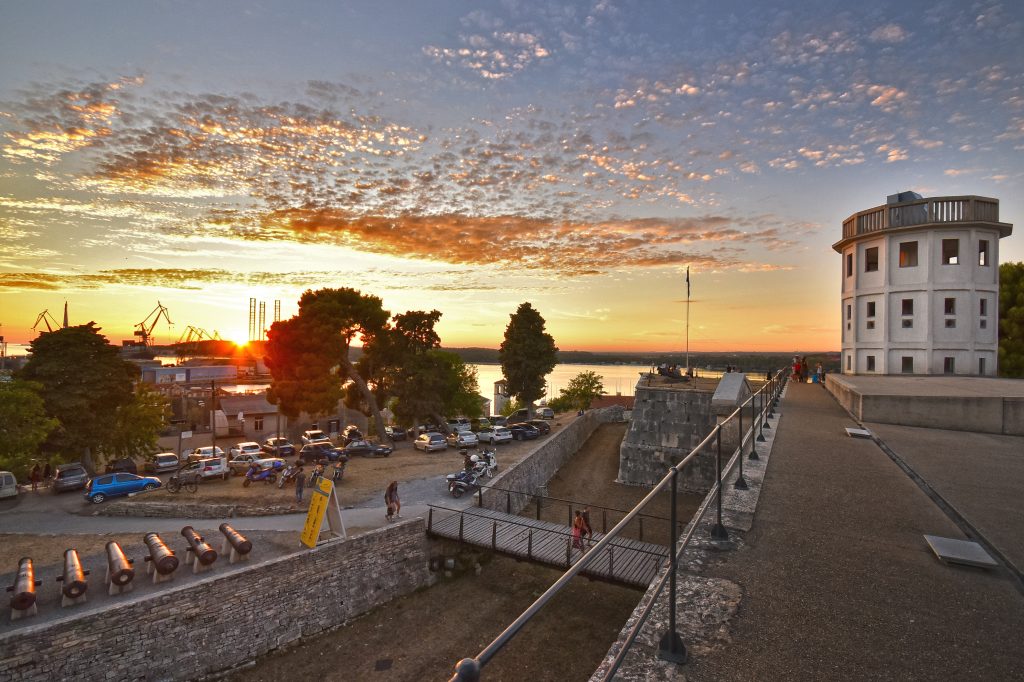
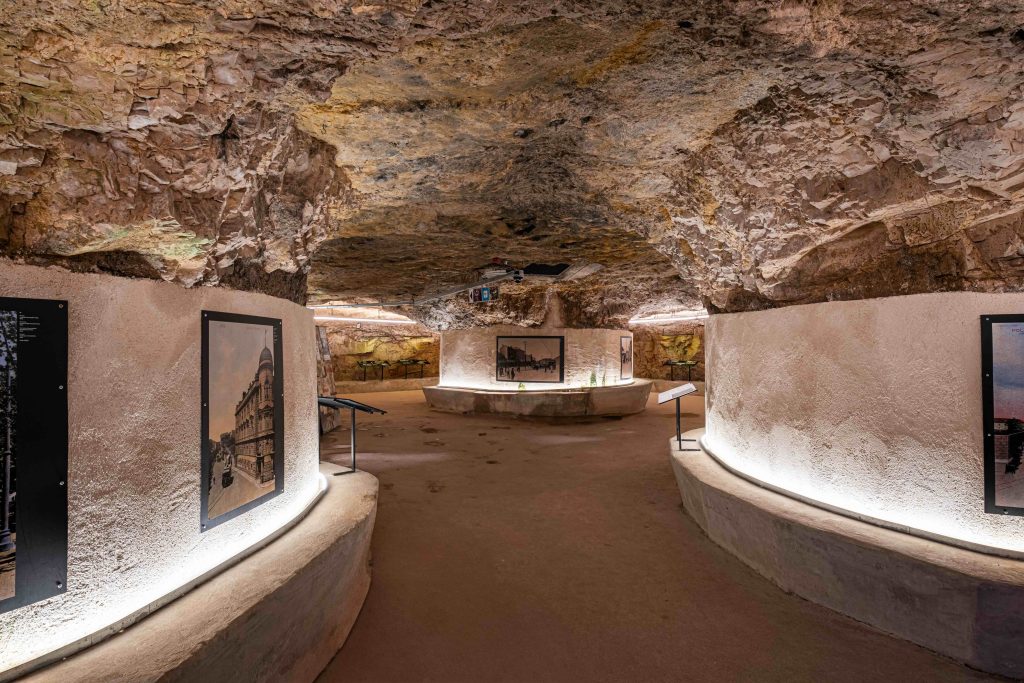
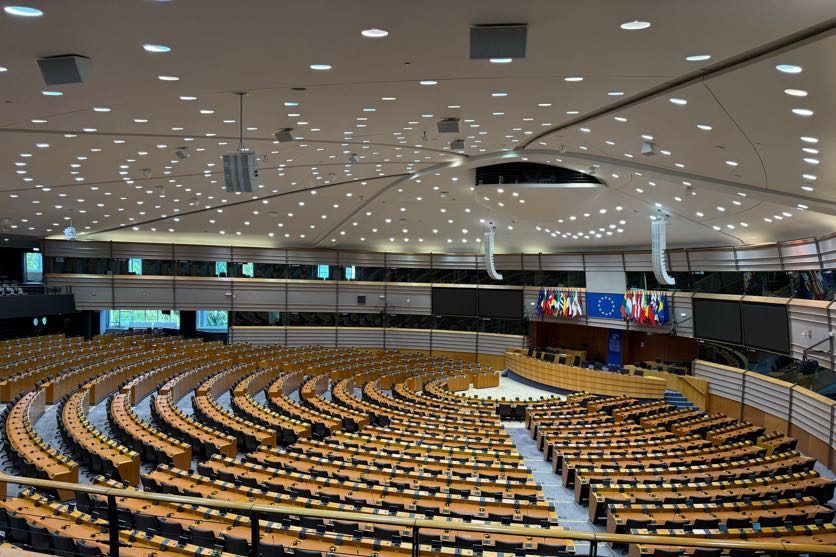
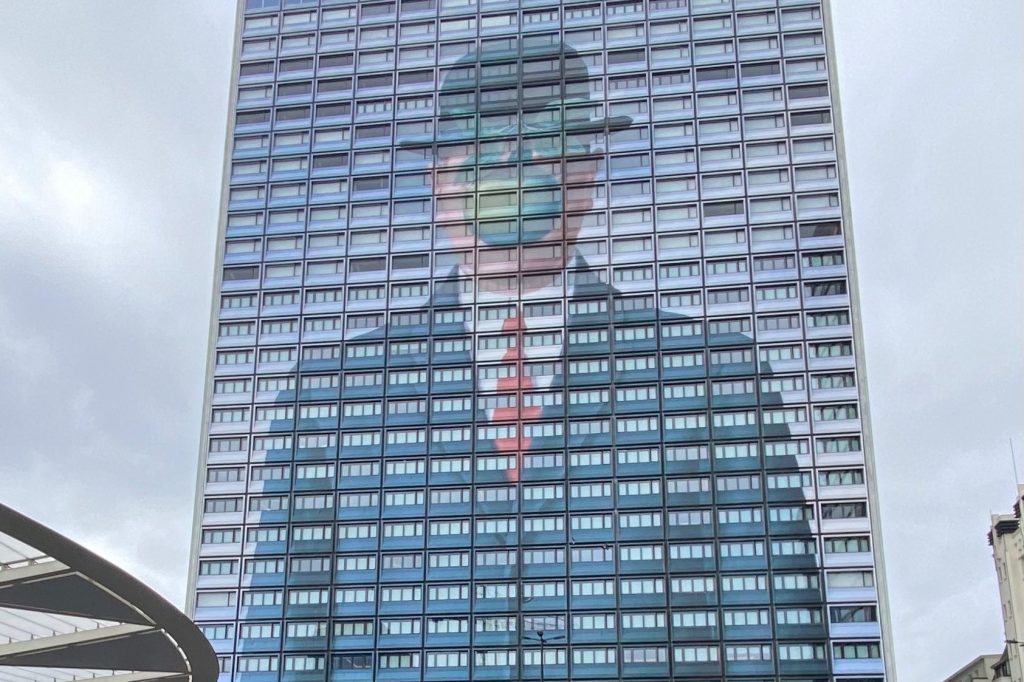
Rather than operating as a strictly linear sequence of events, U-TOPIA will run complementary activities across two symbolic European nodes: Brussels (the administrative heart of supranational Europe) and Brijuni/Pula (a historic crossroads of micro-enclosures, statecraft, and industrial transformations). Throughout 2027 and 2028, both sites will host synchronised academic symposia, research workshops, civil dialogues, and site-specific artistic interventions.
In support of this framework, Pluartis welcomes engagement from co-funding partners, academic and institutional co-hosts, and creative contributors across all project strands.
02. Framework
The project brings together researchers, artists, and civil sector actors to critically analyse three distinct historical and contemporary governance models as illustrative examples of a potential eu-topia (a good place). The objective is neither to idealise nor dismiss these systems, but to objectively reflect upon their achievements, failures, and structural tensions.
- Symphonia – Theocratic Utopia (Sacred Imperial Geometry)
- Focusing on the golden period of Constantinople and Byzantine state philosophy.
- Spatial Anchor: The Byzantine Castrum on the island of Brijuni – a fortified, self-contained sanctuary demonstrating how administrative centralism and spatial geometry attempted to preserve stability against external chaos.
- YU-topia (Secular Modernism & Post-Socialist Memory)
- Examining 20th-century Yugoslav socialist federalism (1945–1990).
- Themes: Industrial heritage, collective memory, statecraft, and the decay of mid-century ideological structures.
- EU-topia (Technocratic & Supranational Integration)
- Investigating contemporary European governance from its administrative centre in Brussels.
- Themes: Confronting democratic deficits, market pressures, security concerns, and top-down policy mechanisms in contemporary Europe.
03. Dual Parallel Nodes
Activities will take place in both locations throughout the two-year lifecycle of the project, allowing cross-pollination between local contexts and broad continental debates:
Node A: Brussels (Belgium)
- Focus & Character: Supranational policy, contemporary technocracy, European civil society, and global networks.
- Key Spatial & Historical Vectors: Policy centres, urban public spaces, post-industrial venues, and academic institutions in the EU capital.
Node B: Brijuni/Pula (Croatia)
- Focus & Character: Micro-enclosures, environmental engineering, industrial memory, and historical statecraft.
- Key Spatial & Historical Vectors: The Byzantine Castrum, Paul Kupelwieser’s island transformation (including the Robert Koch quarry memorial), and socialist architectural monuments.
04. Collaboration Formats
U-TOPIA invites collaboration across three distinct sectors:
1. Academic & Research Sector (Universities & Institutes)
Activities: Keynote lectures, thematic symposia, research presentations, panel discussions, and interdisciplinary workshops.
2. Creative & Cultural Sector (Artists, Curators & Performers)
Activities: Site-specific installations, soundscape art, audiovisual works, performances, and digital media.
3. Civil Sector & Public Sphere (NGOs, Foundations & Civic Groups)
Activities: Public debates, roundtables, policy workshops, and participatory interventions.
05. Call for Expression of Interest
Pluartis invites academic institutions, cultural organisations, civil sector entities, and independent researchers and artists to join as project partners, co-organisers, or contributors. At this development stage, collaborators have the opportunity to co-design thematic panels, symposia, and site-responsive interventions across Brussels and Brijuni before the full project calendar is finalized.
Detailed calls for participation, thematic tracks, and event schedules will be published in early 2027. To explore preliminary collaboration or arrange an introductory dialogue, please get in touch using the link below.
Express Your Interest Now →
Deadline: 27 November 2026