Visual Artist
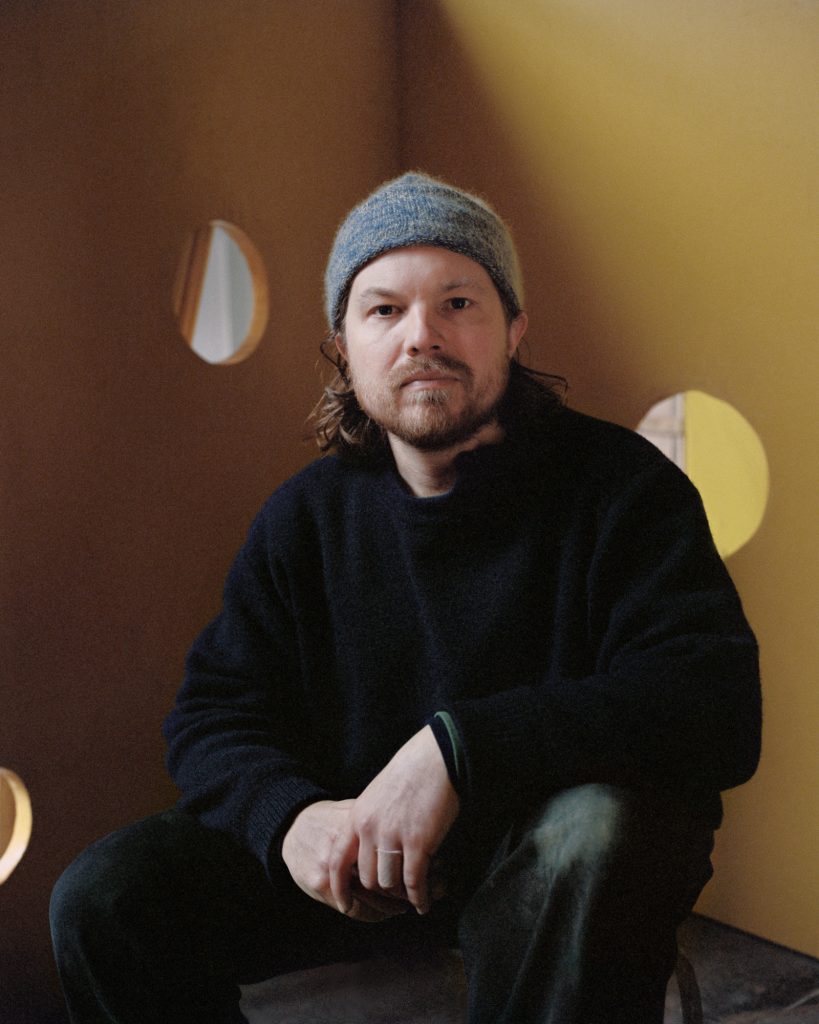
Kasper De Vos (Antwerp, 1988) is a Belgian visual artist living and working in Ghent.
UNO
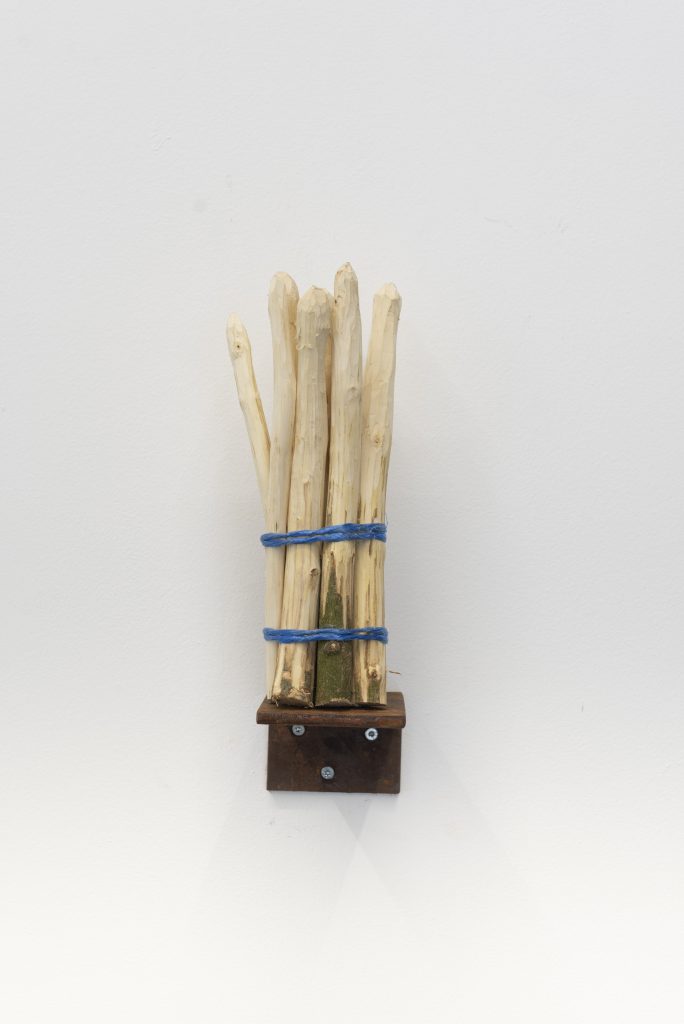
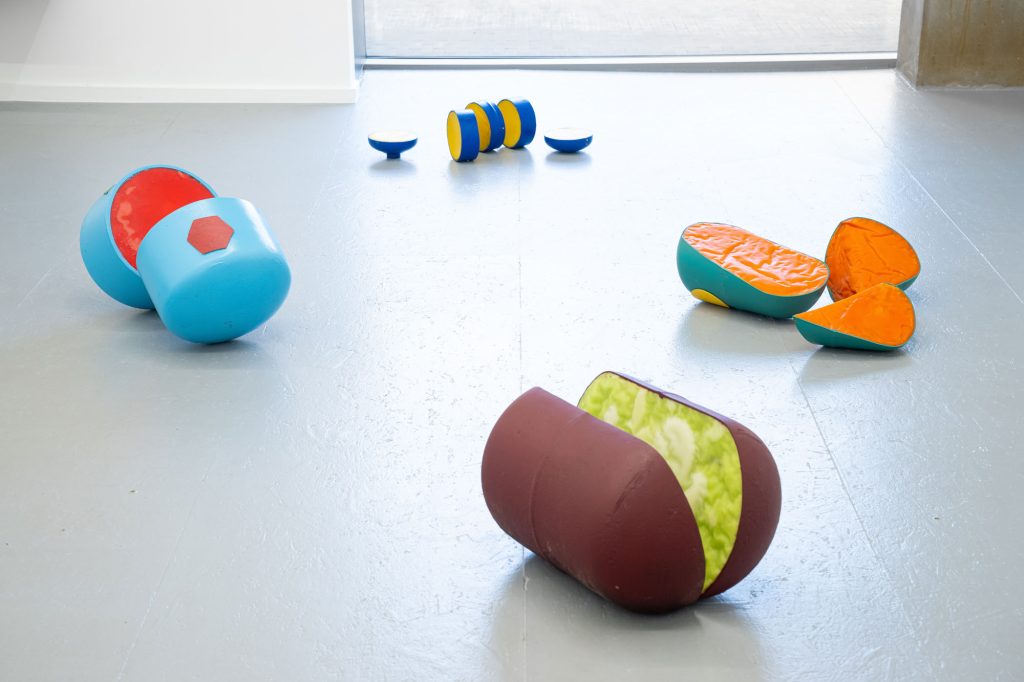
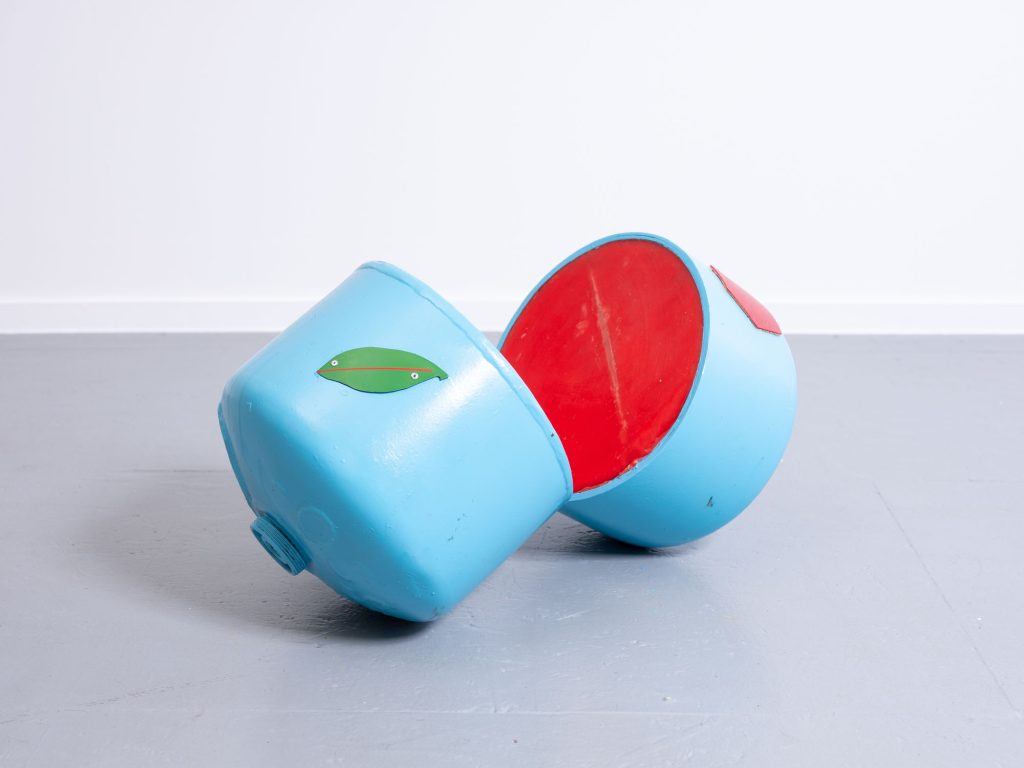
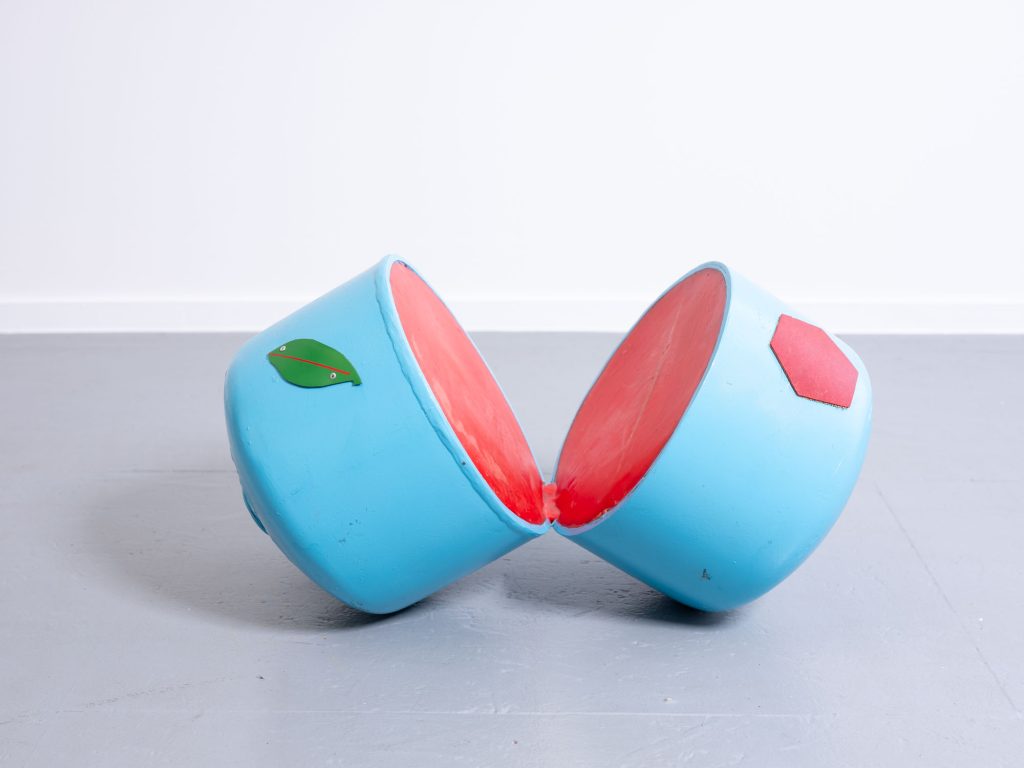
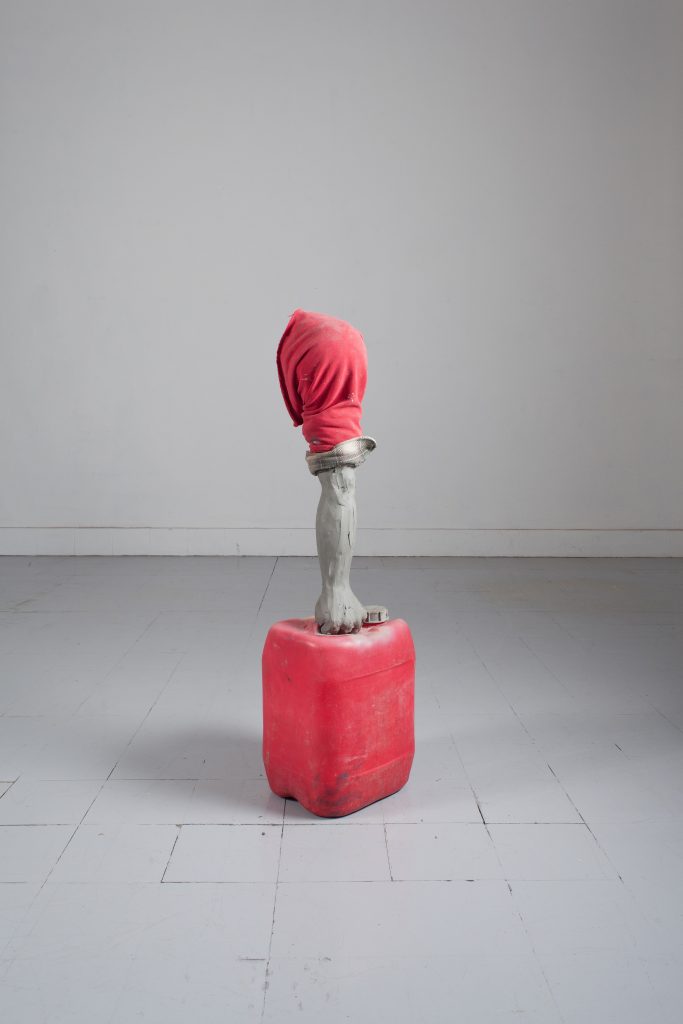
As outlined in his book “UNO“* (Stockmans Art Books, Duffel, 2025), the artist “gained attention with installations and sculptural interventions that referred to consumerism and its associated food culture in a way that was both humorous and sculptural. Often, his sculptures combine found objects or materials with modeled elements. His sculptures and installations seem to stem from a kind of tactile and visual pleasure, a play of formal and substantive associations and a mild form of humor that takes the form of an open, playful, imaginative dance with materials, techniques, things and thoughts. His work evokes stories without being illustrative or pedantic. It is a kind of thinking with shapes, which in turn makes us think and dream. Surprising, inventive, generous, plastic, virtuosic, open and oneiric.”
* UNO was made in collaboration with PLUS-ONE Gallery on the occasion of Kasper De Vos’ exhibition ‘Pushing And Pulling The Center To The Mirror’ at M HKA’s Inbox.
The Visual Storyteller
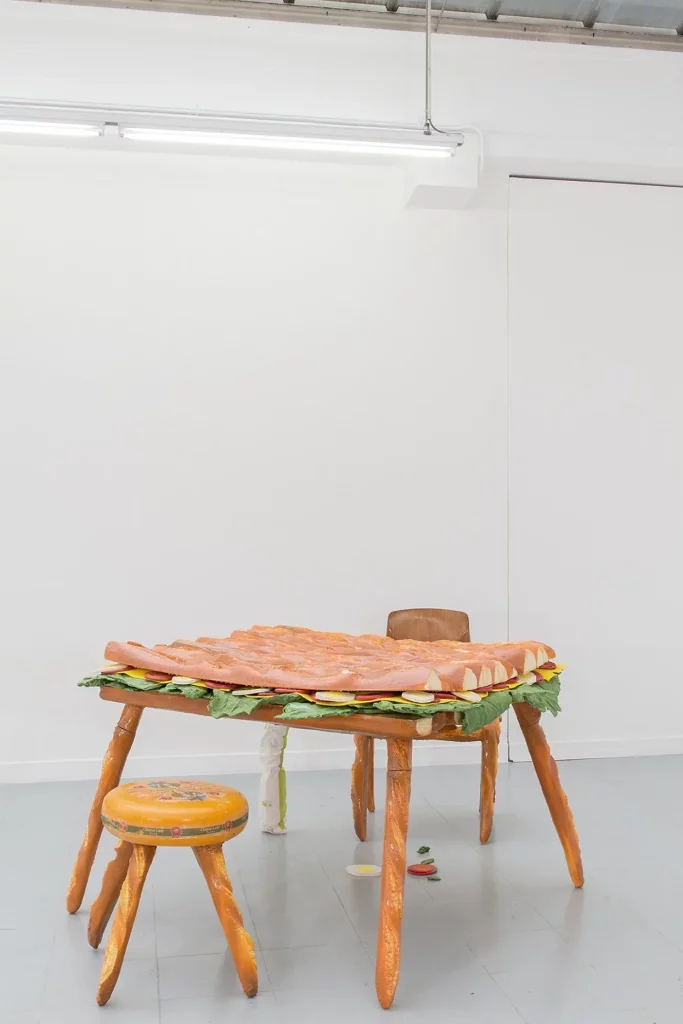
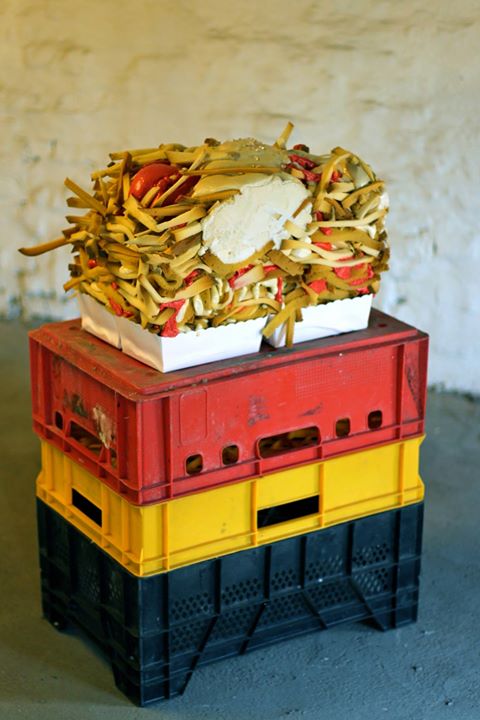
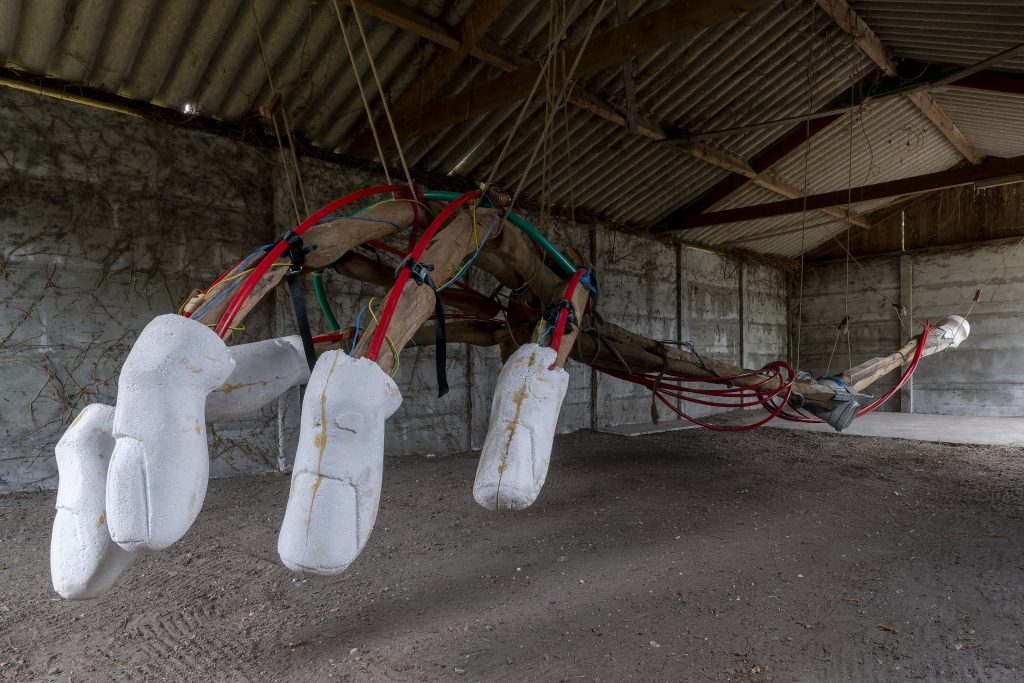
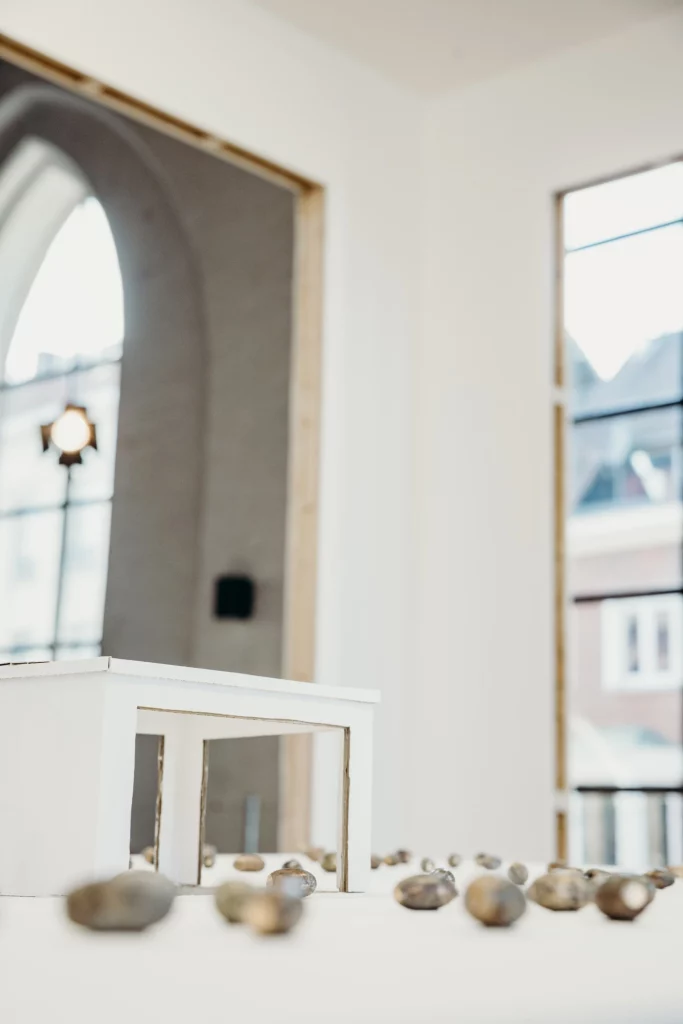
“In his studio, Kasper De Vos’ collages, drawings and sculptures built a colorful and rather uncanny environment where vibrant imaginary landscapes were deeply rooted down by everyday absurdities. A visual storyteller, De Vos utilizes serendipity, surprise and salvaged social remnants as key elements in his process. Materials and idea are gathered on the natural route of any given day, and classical sculptural forms (such as base, bust, and body) are incorporated into odd combinations of contemporary throwaways. A bulk of his artistic production, including miniature utopian mock-ups and works on paper, are classified as studies for future sculptures. Everything is material for something else and these sculptures tend to be constructed from found and frequently perishable materials; leftovers that De Vos transforms to make humorous reflections on the awkward intersections between culture and consumerism. Sandwiches become tables, plastic water bottle crates act as the base of temples, and raves are reduced to totemic systems (what De Vos called “Native Kitsch”) as elements from the artist’s environment are removed from their habitat and reassembled.
Throughout his practice, De Vos flirts playfully with filth, cloaking serious social issues with a light hearted type of Trojan horse aesthetic where basic colors and forms carry questions about materials, motivations and social phenomena. He is a sculptor who seems to want to give away an object’s secrets.
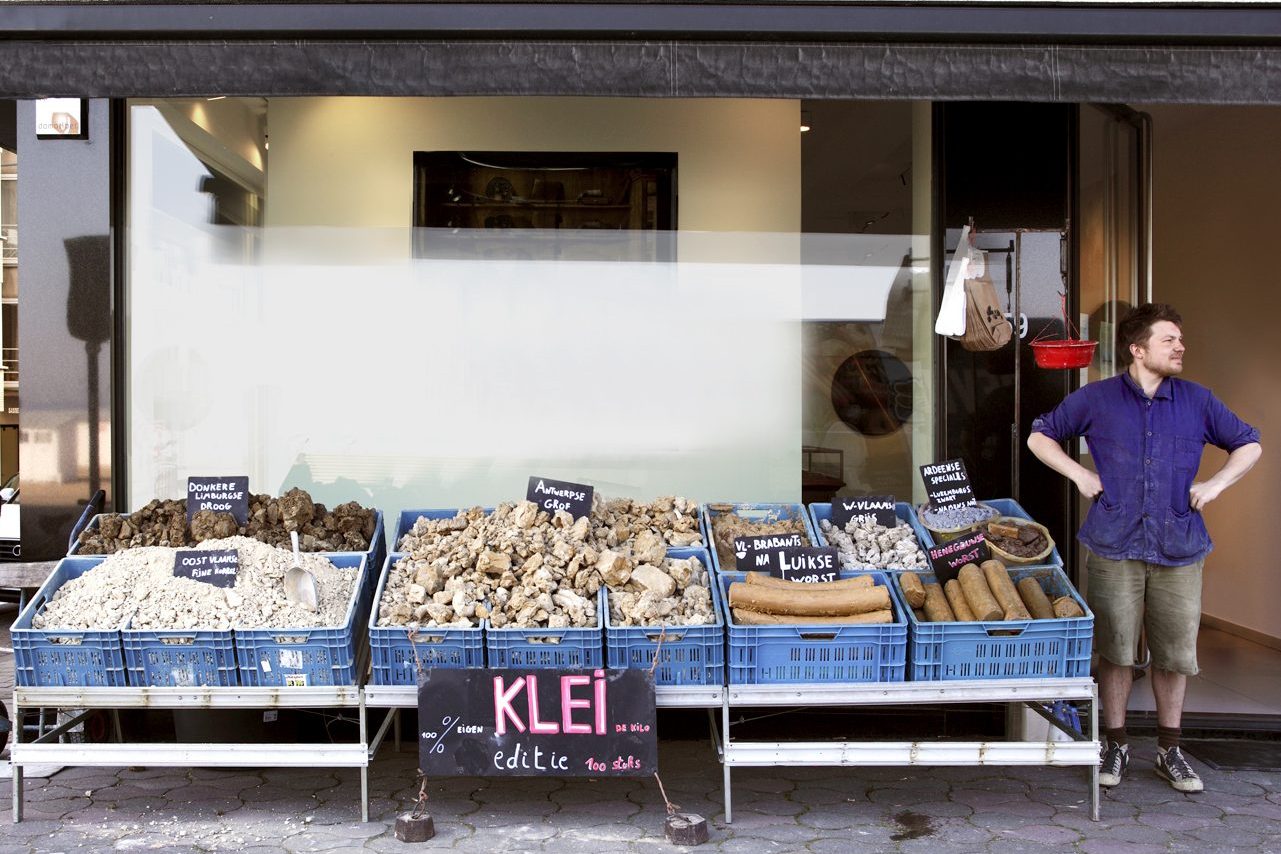
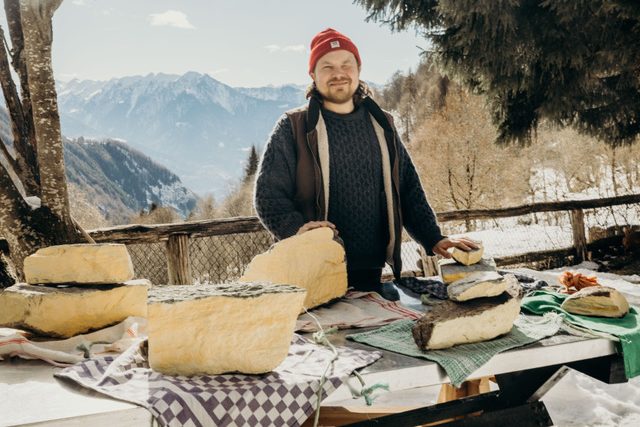
As recurring elements in his daily routine, folklore and food play a significant role in his practice and the artist’s fascination with the latter goes beyond eating, leading him to activities like dumpster diving and selling vegetables every Friday in the market place. These experiences offered reminders that what we eat is usually coupled to what we buy and that while our dinner may speak to familiarity, folklore, pleasure and cultural pride, it also addresses economic and social contradictions like starvation and systemic overproduction that further contributes to mountains and mountains of waste.
De Vos seems to have a lot of fun diving into those mountains and takes his lessons from the market to heart when he explains that “part of the work is clearly about selling food and how to present it.”
(Harlan Levey, 2017)
The Poetics of the Found and the Made
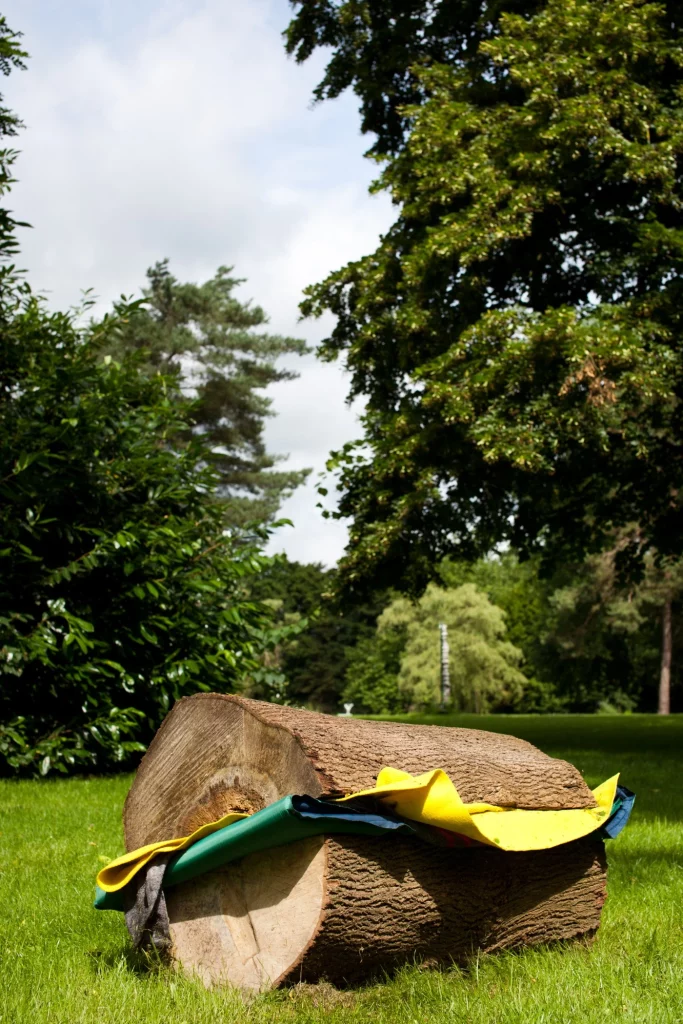
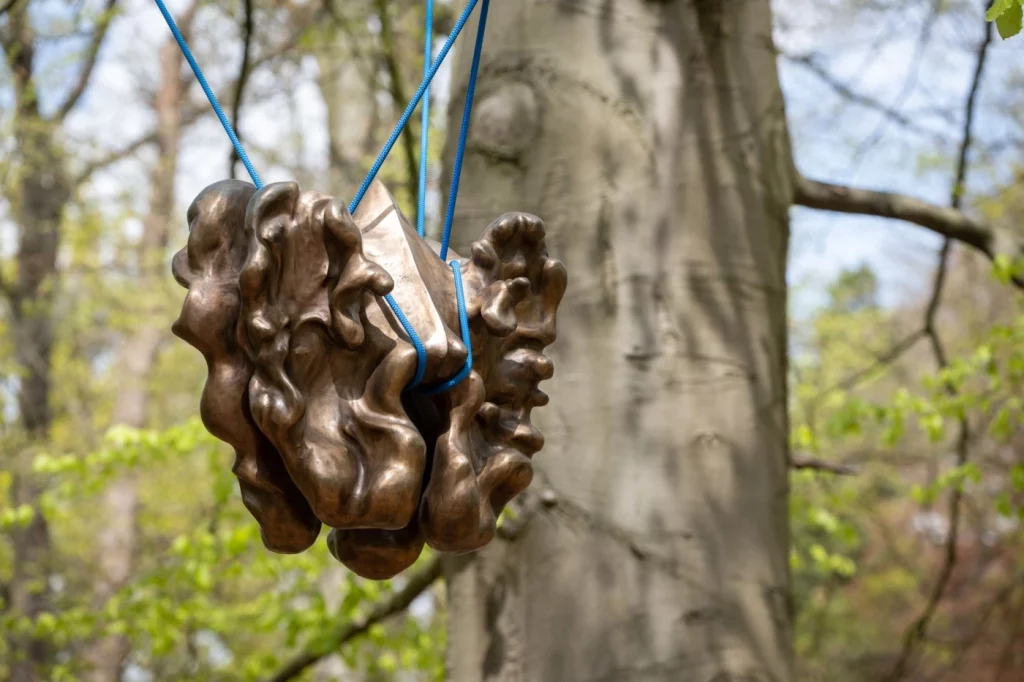
De Vos brings an incisive yet lighthearted perspective to contemporary sculpture and spatial installation. By recontextualizing everyday materials through traditional sculpting techniques and thoughtful arrangements, De Vos invites us to reconsider the physical objects that populate our daily environments. His work strikes a delicate balance between humorous celebration and subtle critique, examining how consumer culture shapes human habits, memory, and shared space.
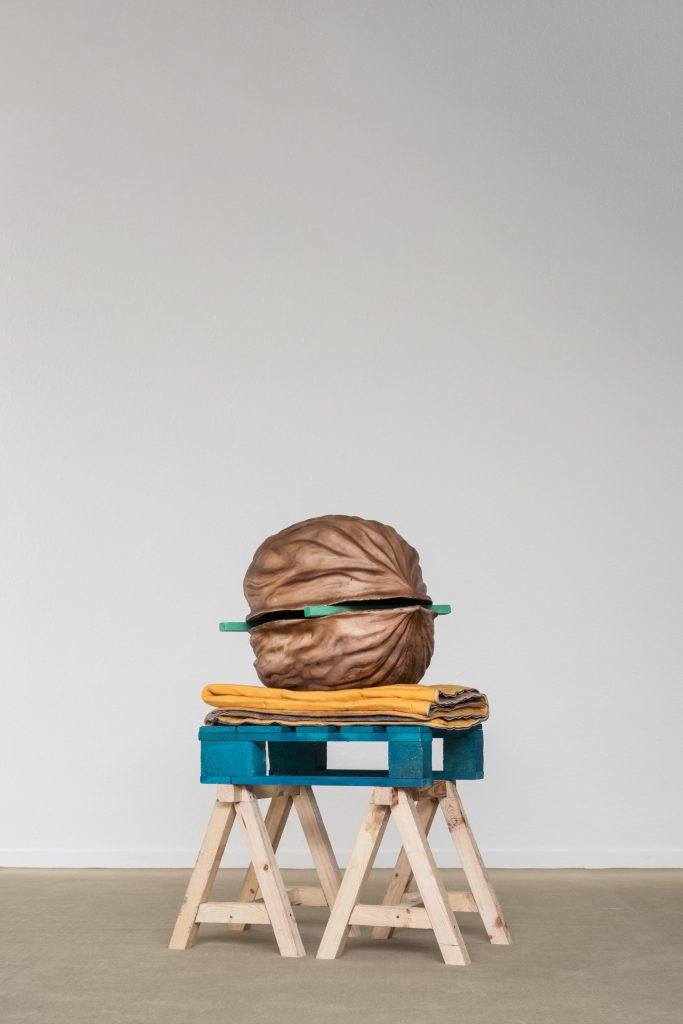
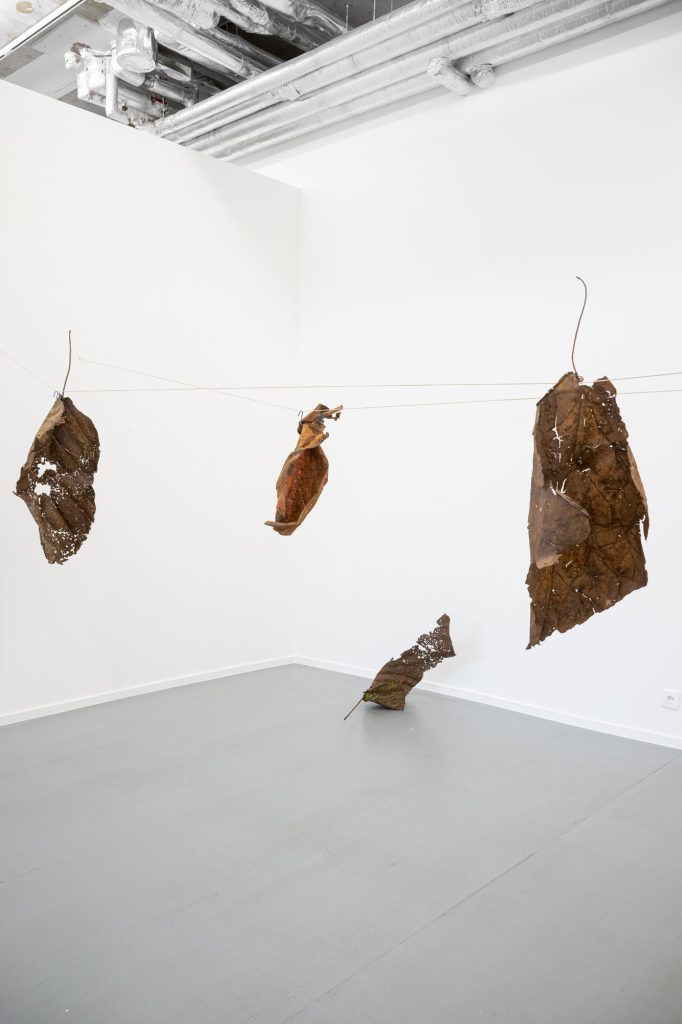
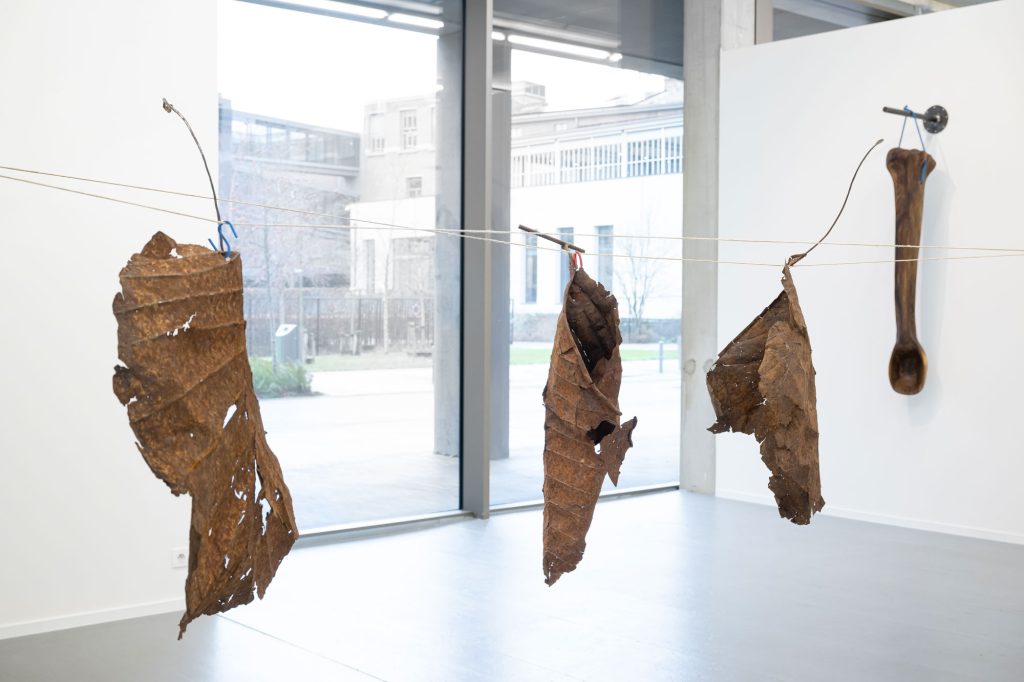
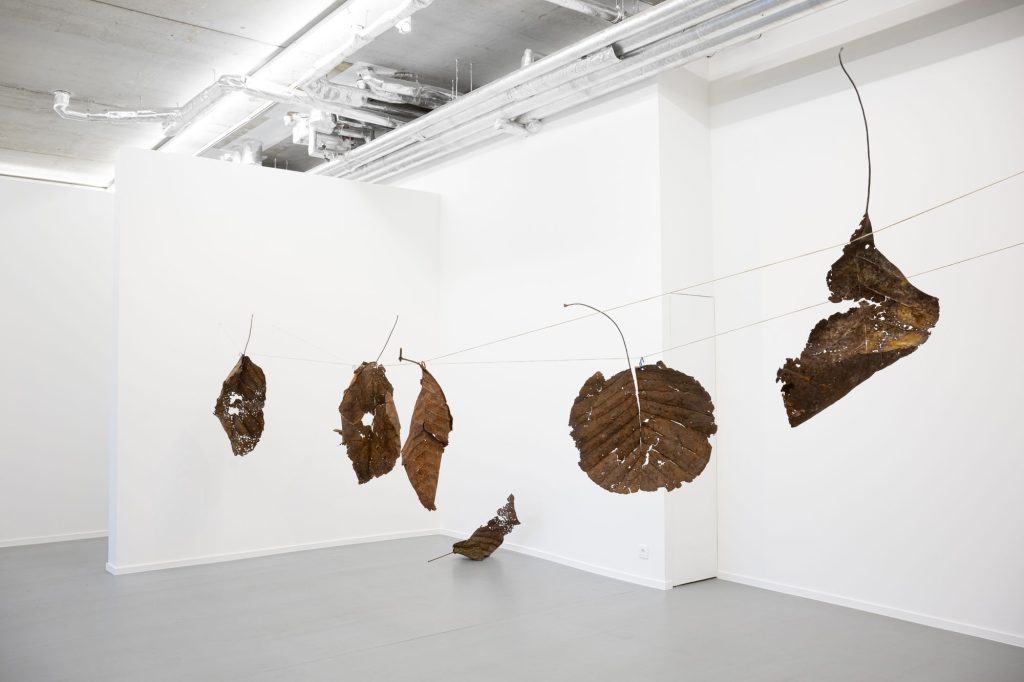
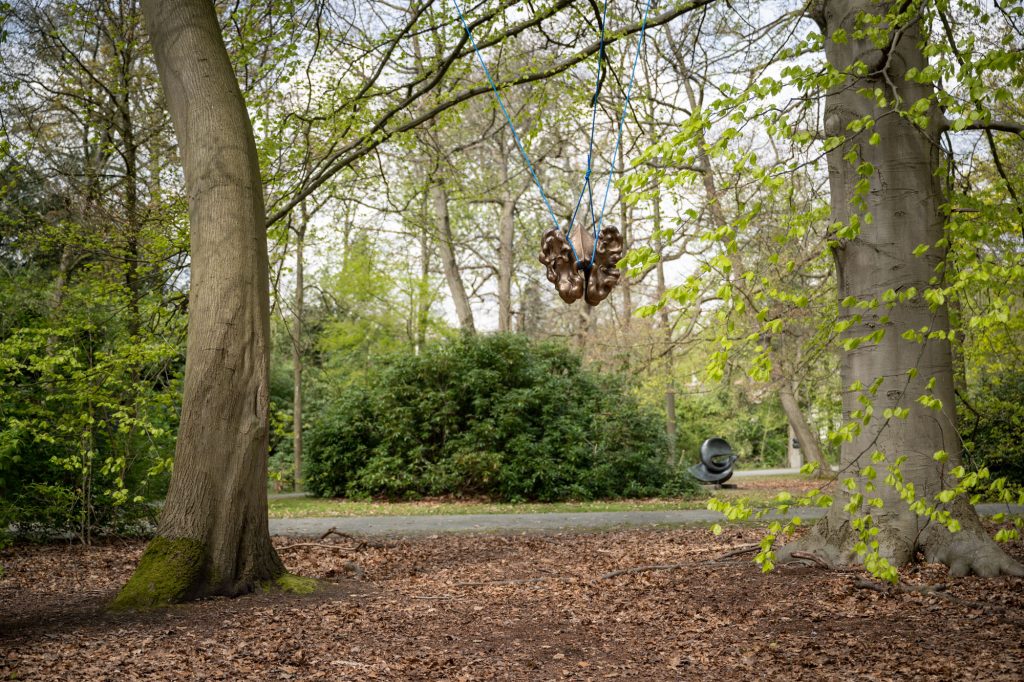
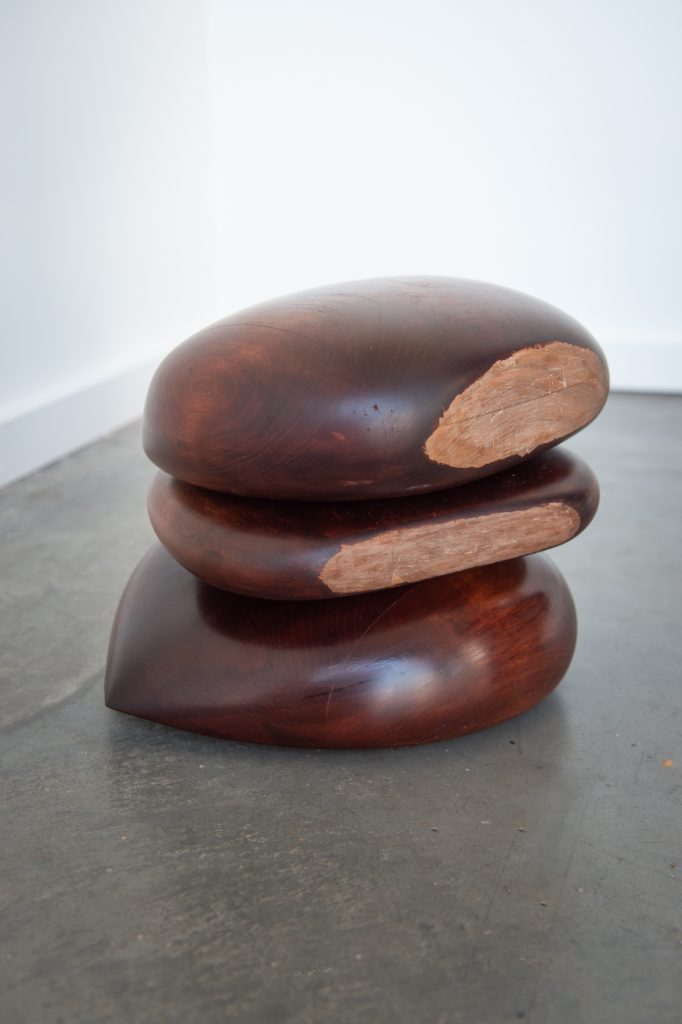
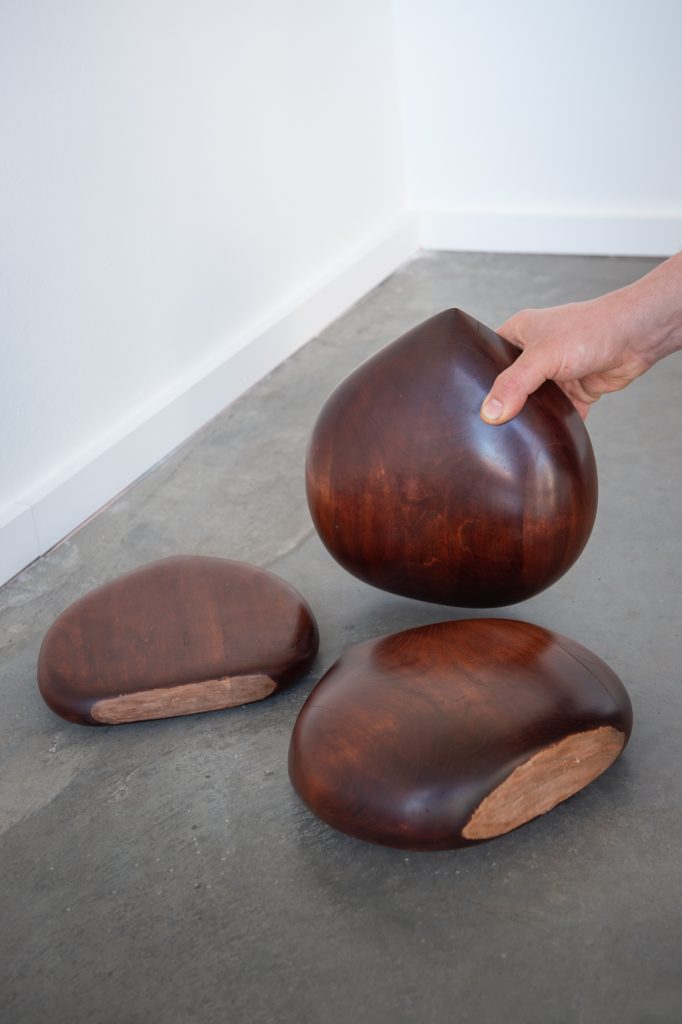
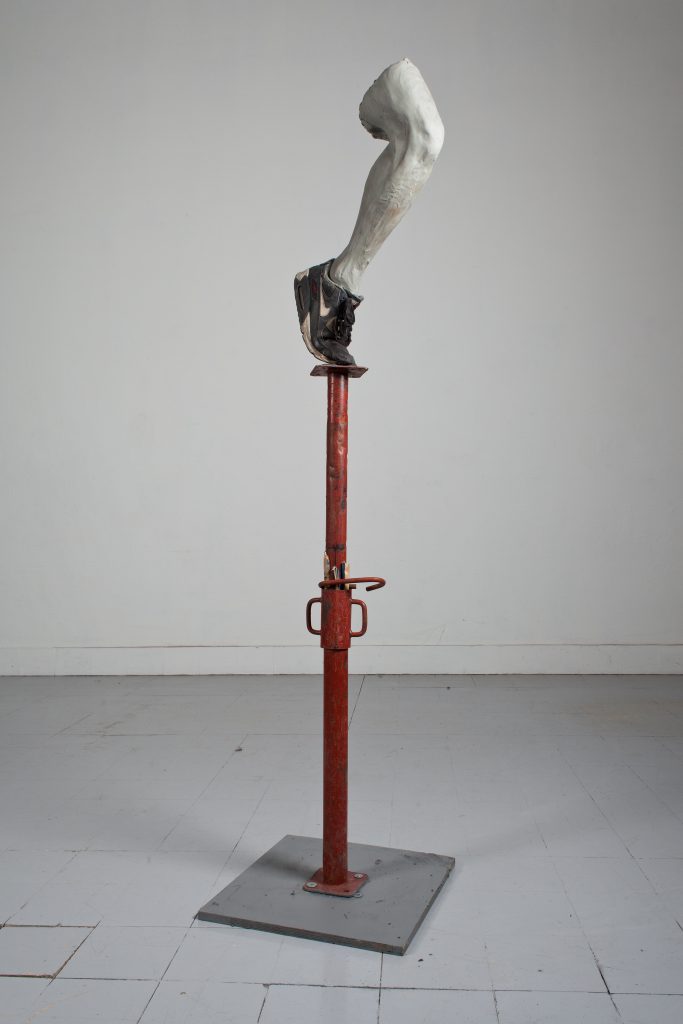
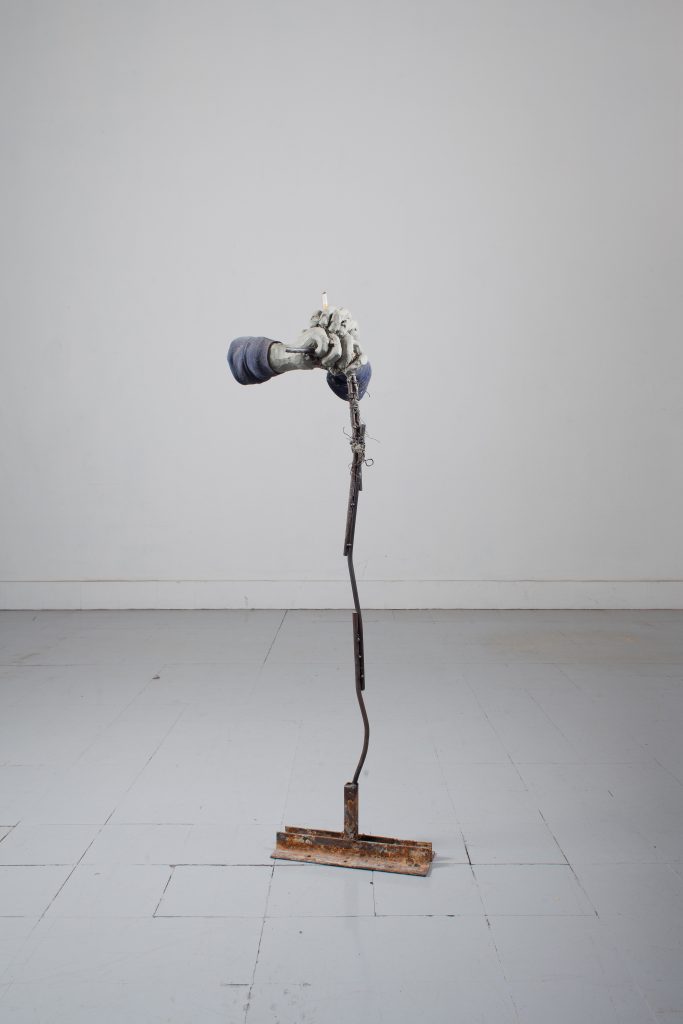
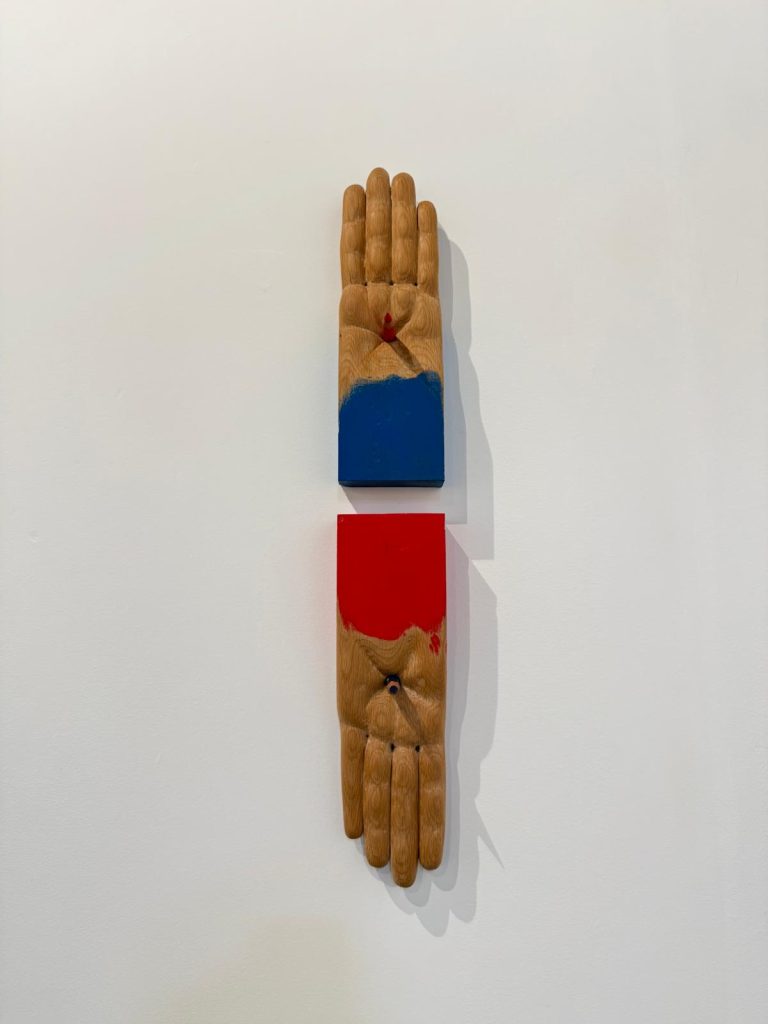
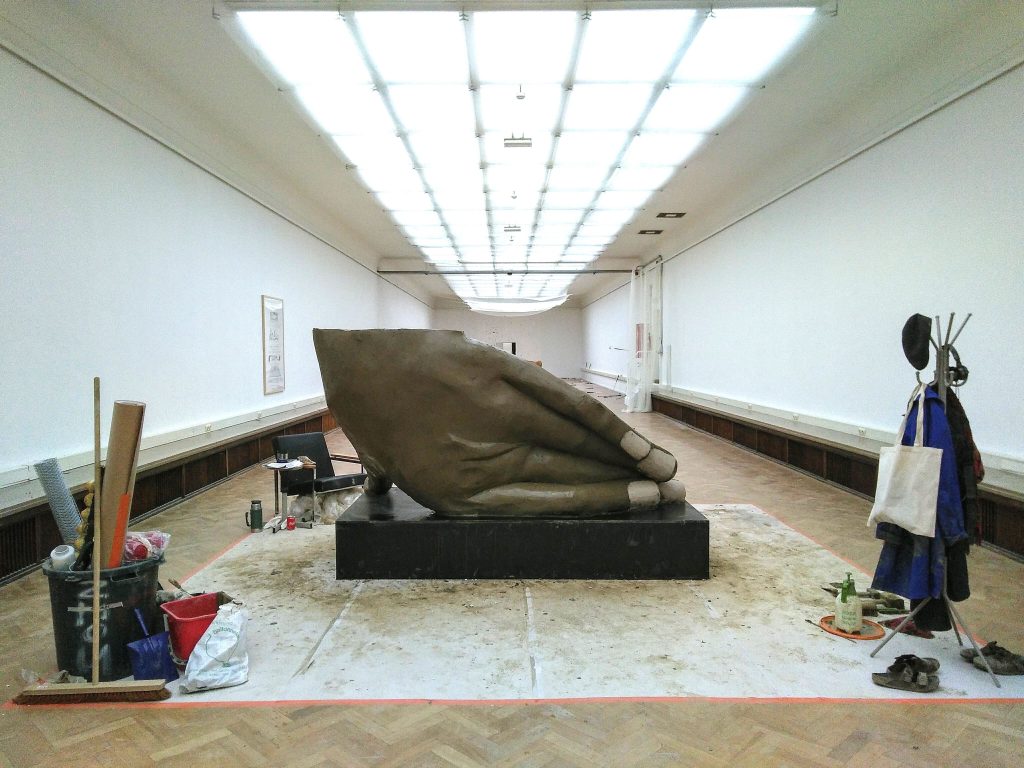
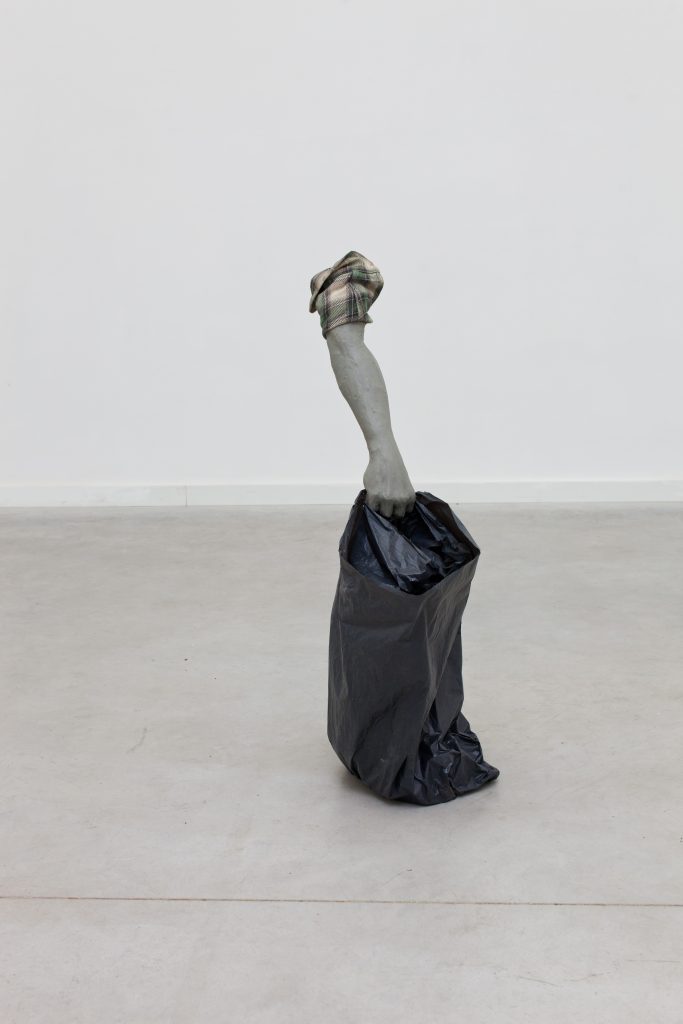
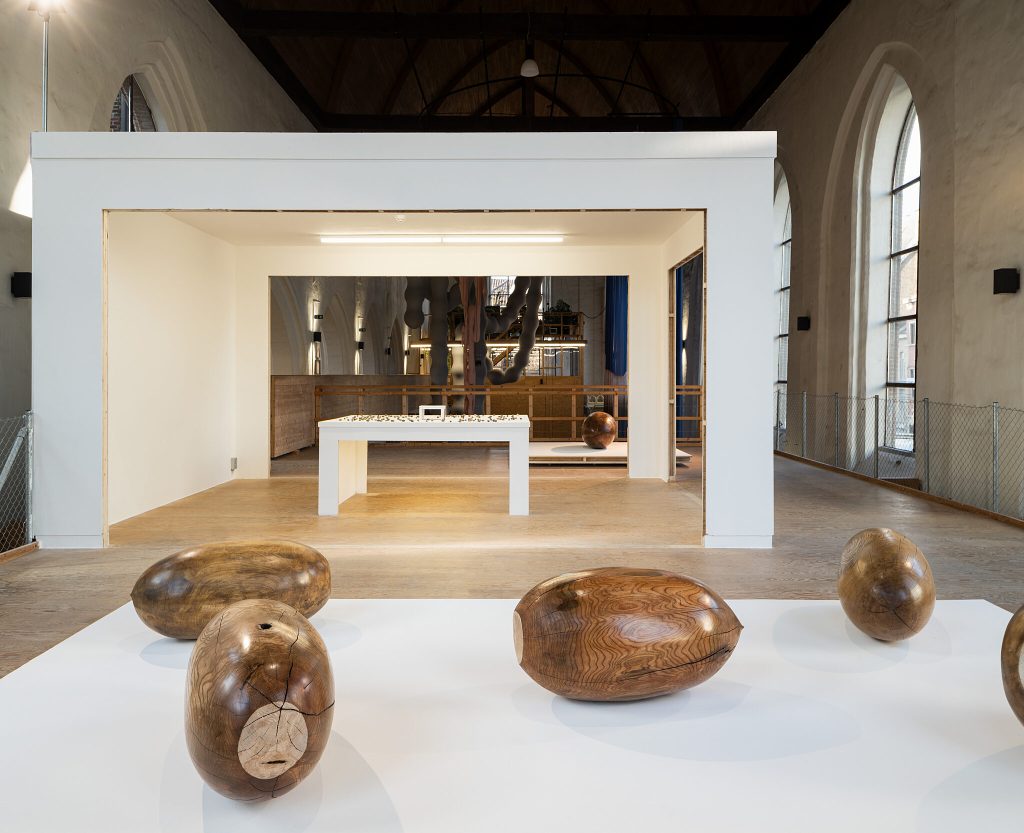
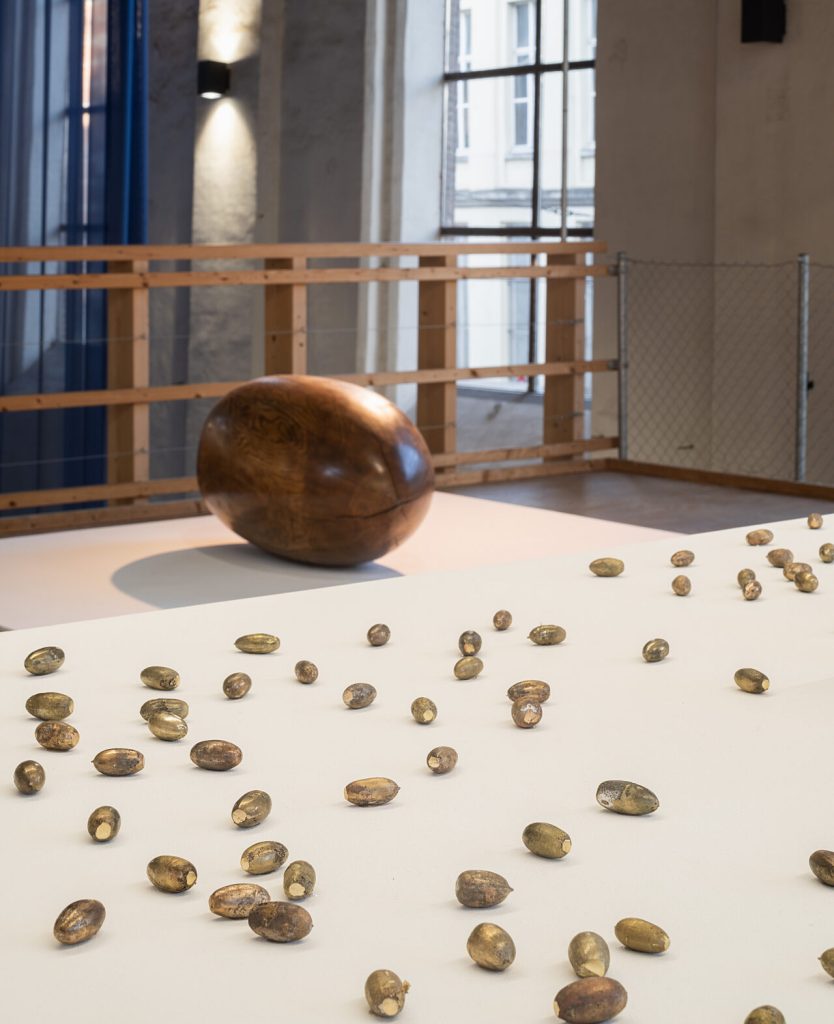
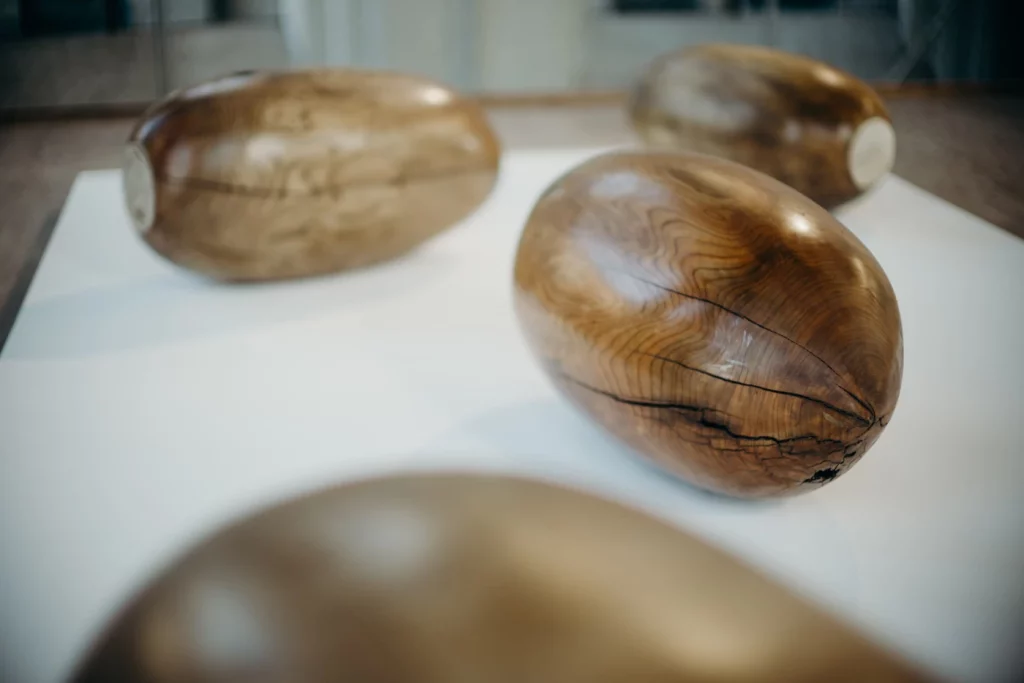
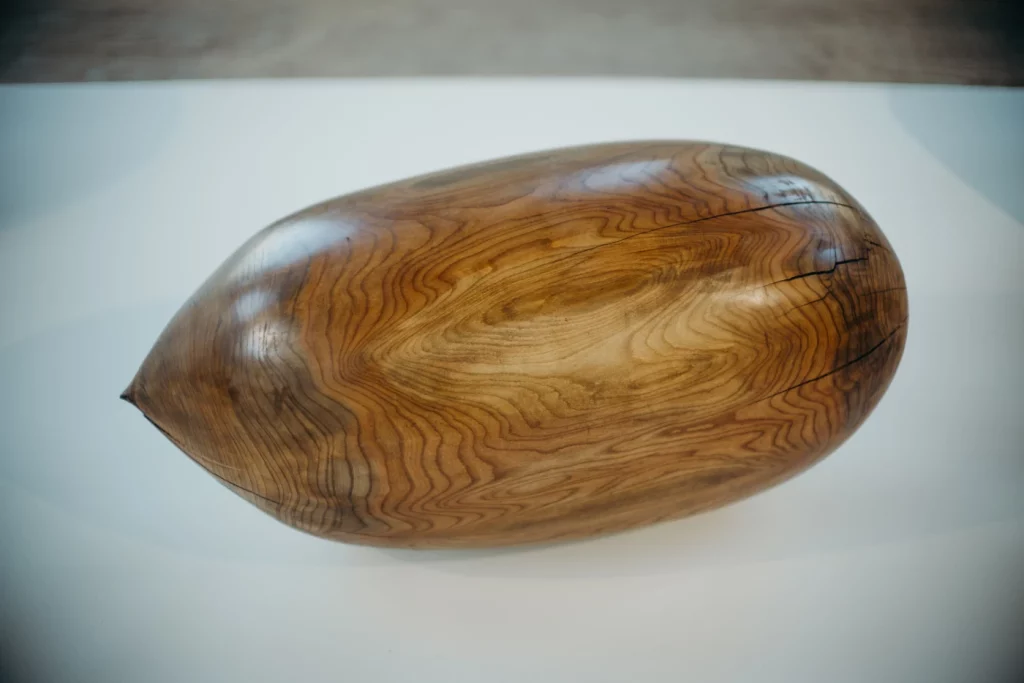
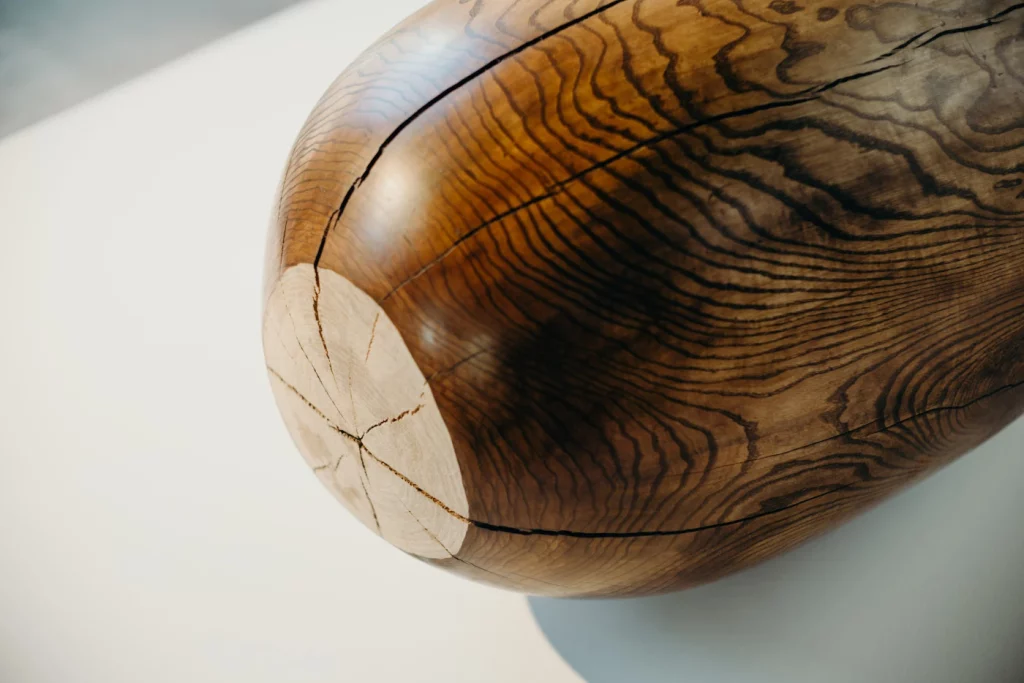
Beyond his signature assemblages, De Vos’s practice extends into hand-carved, monumental forms and original sculpted objects. From oversized chestnuts, walnuts, and his celebrated Peace Nuts series – monumental wooden acorns carved from raw timber that mirror the silhouette of bombs and bullets to explore dualities of growth and destruction – to exaggerated hands and outstretched arms carrying everyday items, his fabricated sculptures play with scale, weight, and symbolism. By enlarging organic motifs and human gestures to surreal proportions, De Vos bridges the boundary between traditional woodcarving, folk craft, and poetic metaphor.
Gallery
Note: All subheadings by Pluartis except for Peace Nuts.
The Artist at Work and Rest
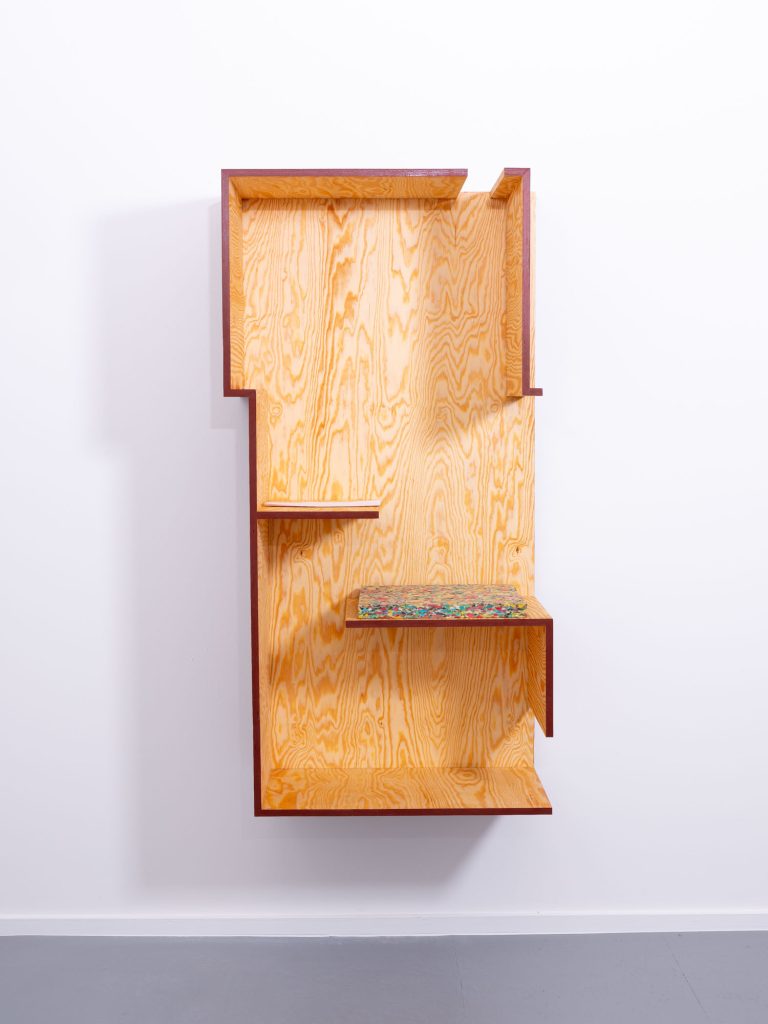
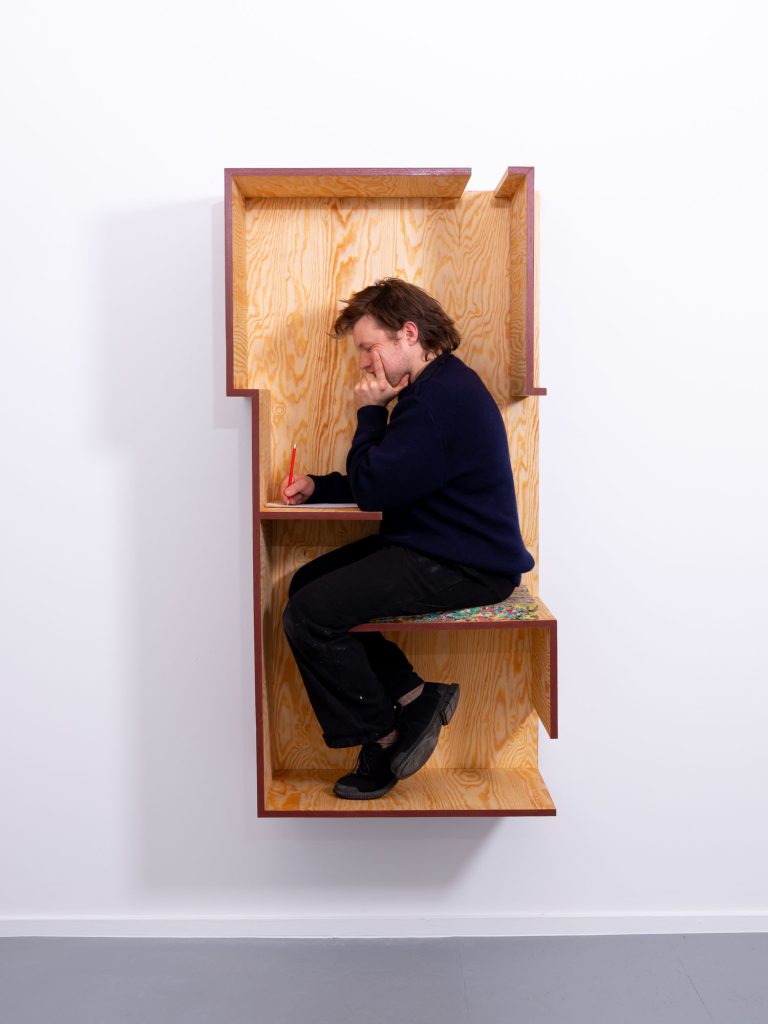
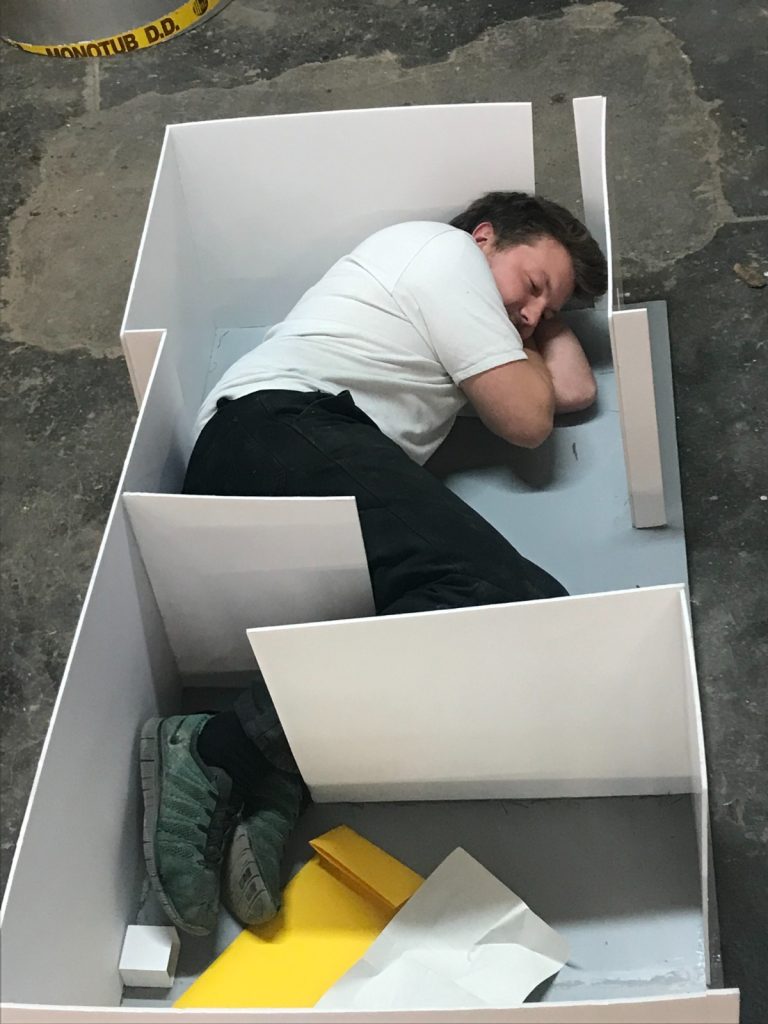
“Sluimertijd”, PLUS-ONE Gallery, 2023.
Extract from the exhibition text:
The invitation card for Kasper De Vos’s solo exhibition shows the artist curled up in the model of the PLUS-ONE Gallery. This image of the sleeping artist becomes a metaphor for the slumbering artist, perhaps immersed in a dream, in another temporality. This picture is not insignificant because, for his third solo exhibition at the gallery, the artist wants to take us “to the other side of slumber (sluimertijd)”. This quote, which the artist chose as the title for his exhibition, and which is an extract from a poem by Marieke Lucas Rijneveld, from their volume Komijnsplitsers, perfectly reflects his experience of the creative process. “Many of my works situate themselves in a kind of confusing situation between dream and reality (slumber time)”, he explains.
Sourced Locally

Season’s Greetings
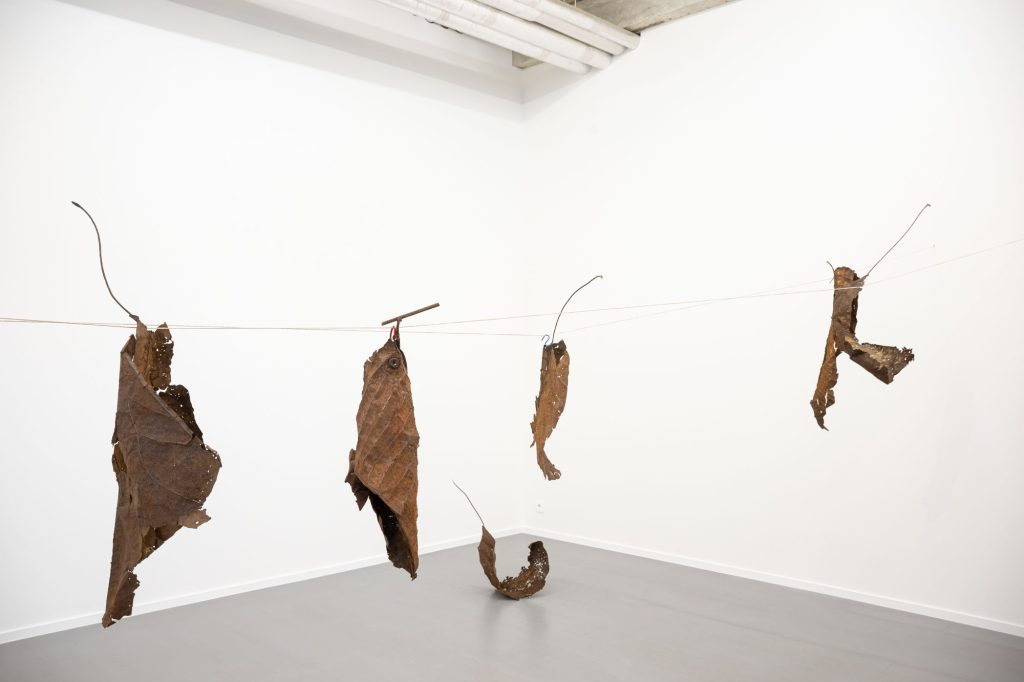
Faster, Higher, Stronger, Larger – Greener
Peace Nuts
Dining outdoors is always a great idea

Academic Background
- Postgraduate in fine Arts, 2016 – 2017 HISK, Ghent
- Master diploma Fine Arts, 2012 School of Arts, Ghent
- Bachelor diploma Fine Arts, 2010 Sint Lucas, Antwerp
Artist’s Website
To delve deeper into the career, conceptual framework, and evolving creative practice of Kasper De Vos, we invite you to explore his comprehensive digital archive below: