Illustrator

“Anyone to whom I give a picture book by Tomislav Torjanac may be entirely certain that I hold them in very high regard and am very fond of them.”
“Welcome to the world of Tomislav Torjanac, we hope you enjoy your stay!”
TOMISLAV TORJANAC
The Universality of the Personal
Tomislav Torjanac is a freelance illustrator whose career spans more than twenty-five years. Although he trained as a graphic designer, he has never regarded himself as one, reserving graphic design work – such as hand-lettering – for projects he has already illustrated. His work has always centred on books, particularly picture books, a field in which he has received numerous awards in Croatia.
For Torjanac, there is no real distinction between illustrating for children and illustrating for adults. When he works, he does not think about a target audience.
He believes that focusing too closely on age groups only places unnecessary limits on creativity. After all, there is no reliable way of knowing in advance how a particular picture book will speak to one individual, let alone to an entire generation of readers.
In his view, the finest picture books are those that captivate children and adults alike – not because they have been carefully calculated to do so, but because their creators have approached them with complete creative freedom and commitment.
His aim is therefore to communicate directly with children, while also reaching them through the parents and other adults who, hopefully, share the experience of reading picture books with them.
Torjanac’s illustrations are rich in autobiographical details and hidden references, reflecting his conviction that the more personal a work is, the more universal it becomes. This is one of the reasons why the past features so prominently in his imagery, while contemporary motifs appear only rarely.
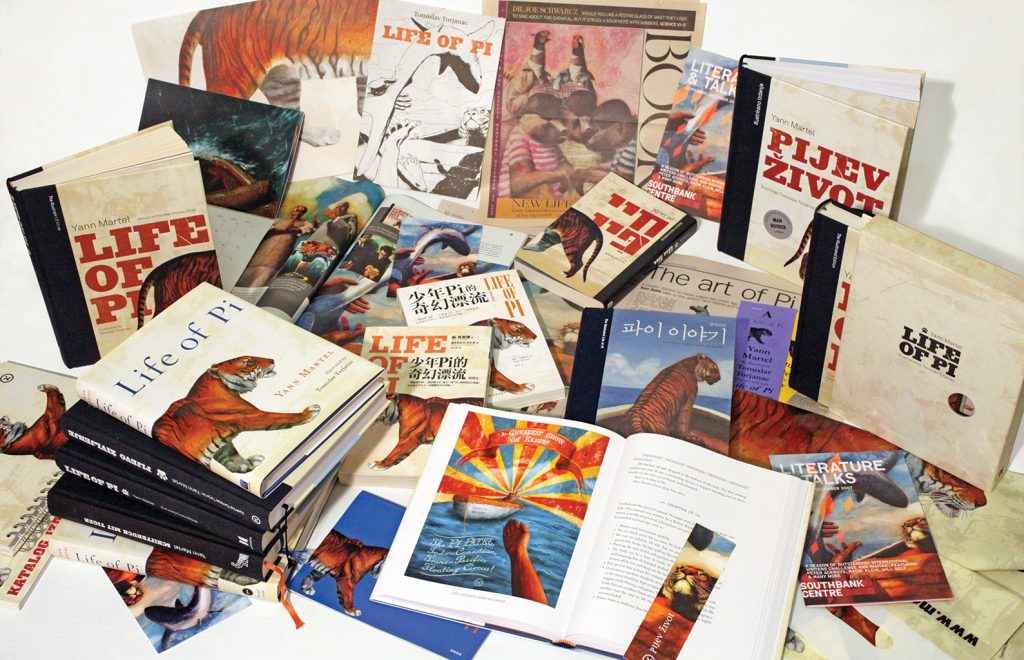
When Yann Martel’s Life of Pi was published in an illustrated edition in 2007, Torjanac contributed forty full-colour paintings. Martel later observed that “illustration adds to a text what music adds to opera: it brings the book to another level, where the reader not only responds to words but pictures. It broadens the sensory impact of the story.” The sentiment perfectly echoes Torjanac’s own understanding of illustration. For him, an image adds another dimension to a text, extending its emotional and narrative reach rather than simply accompanying it. It reveals what lies behind the words, translating ideas and atmosphere into visual form.
For Torjanac, words and images should work together rather than compete for the reader’s attention. A successful illustration does far more than depict what the text already describes: it offers an interpretation shaped by the illustrator’s own sensibility while leaving the reader free to imagine and discover their own meanings. Ultimately, it is the text that gives illustration its purpose. Without a text, illustration loses the very quality that defines it.
Torjanac’s creative process begins with a physical dummy of the book itself. Into this mock-up he enters notes and rough sketches, gradually working out the relationship between text and image and determining their rhythm across the pages. Because he also designs the books he illustrates, this stage is particularly important to him, allowing the visual narrative to develop as an integrated whole from the very beginning.
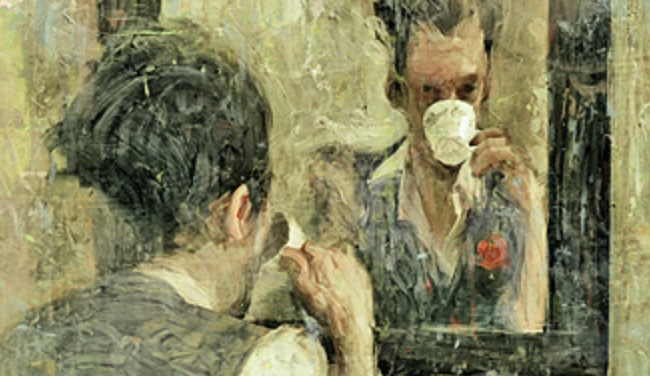
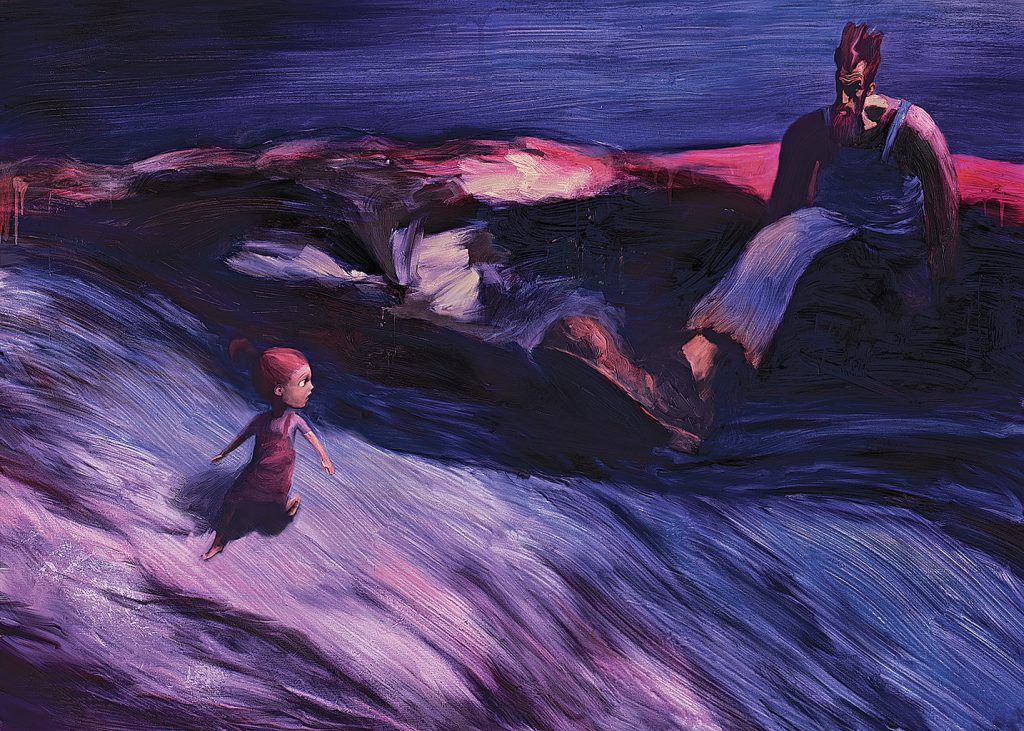
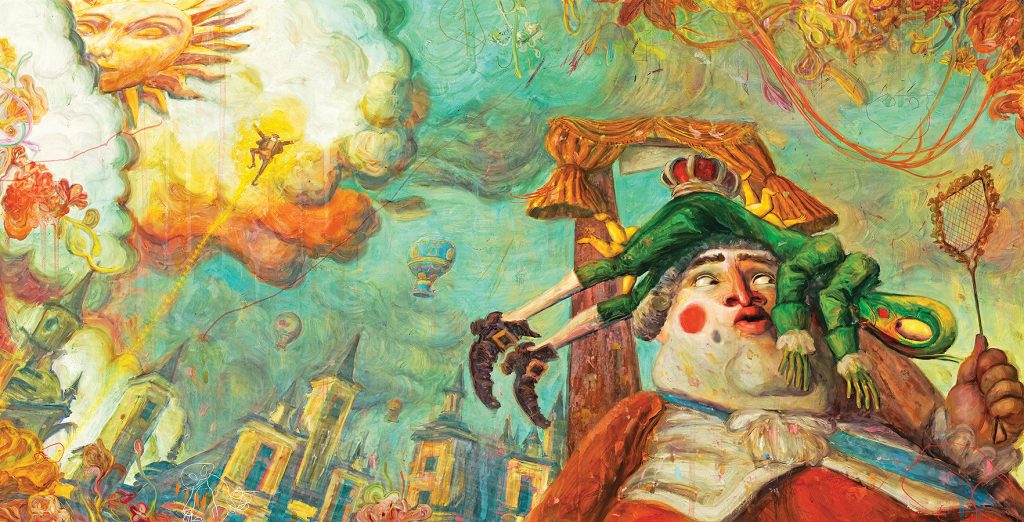
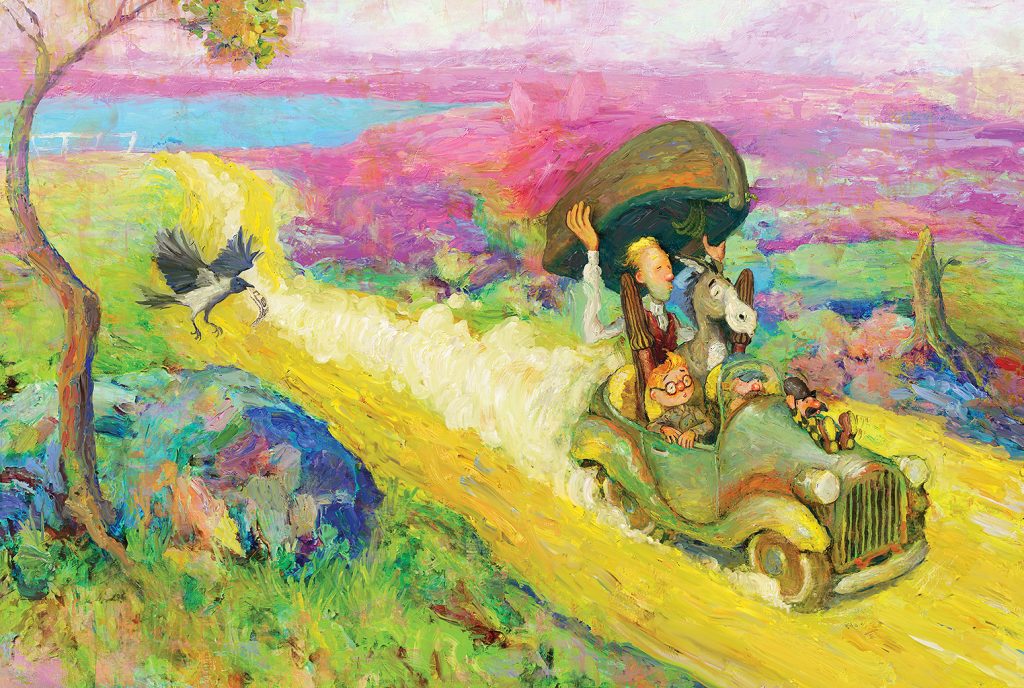
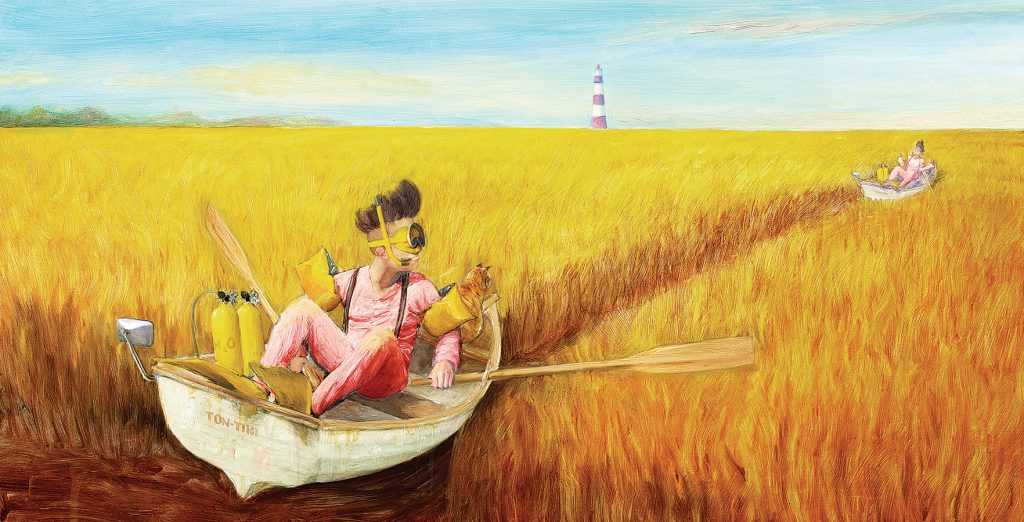
Most of his illustrations are painted in oils on wooden panels. Once completed, they are photographed and transferred to a computer, where he makes subtle digital refinements – adjusting colours, adding the occasional detail, and making the final compositional changes before publication.
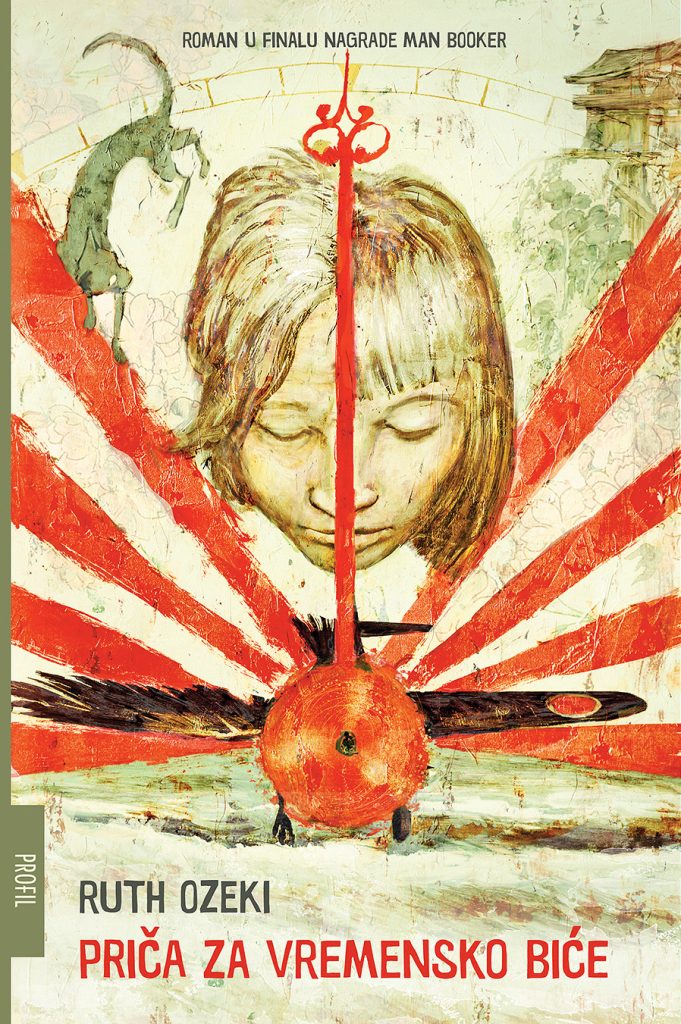
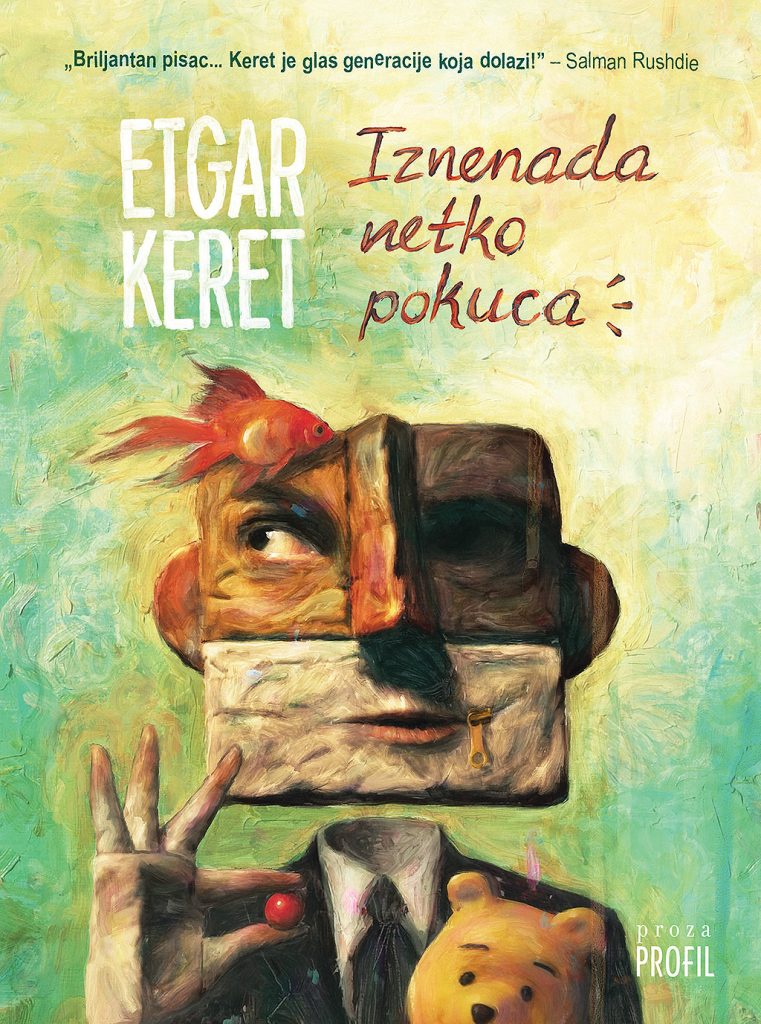
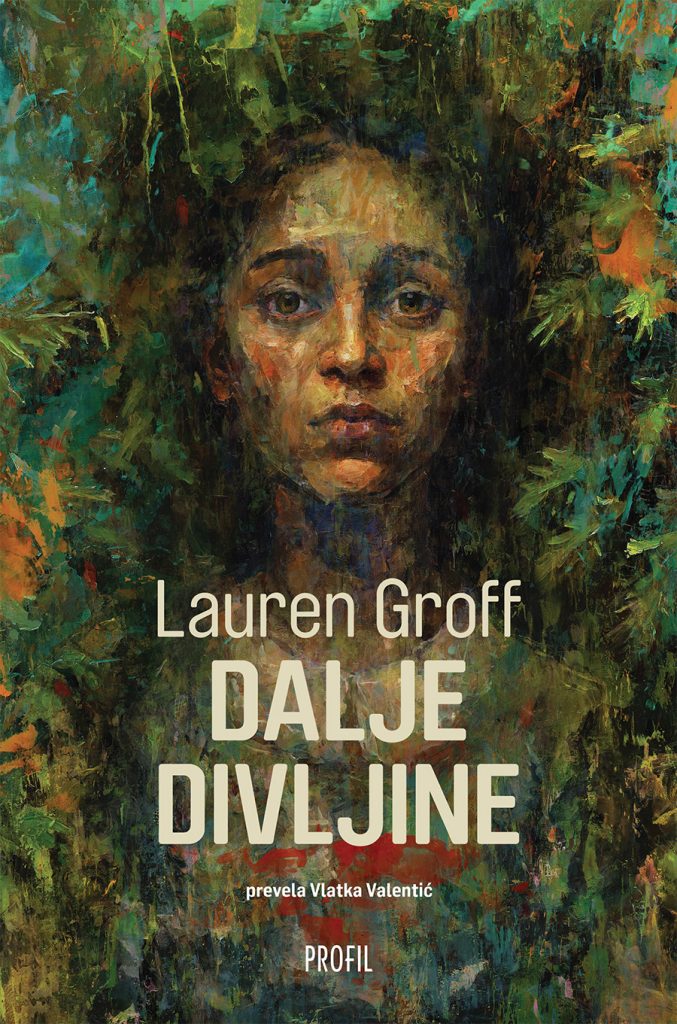
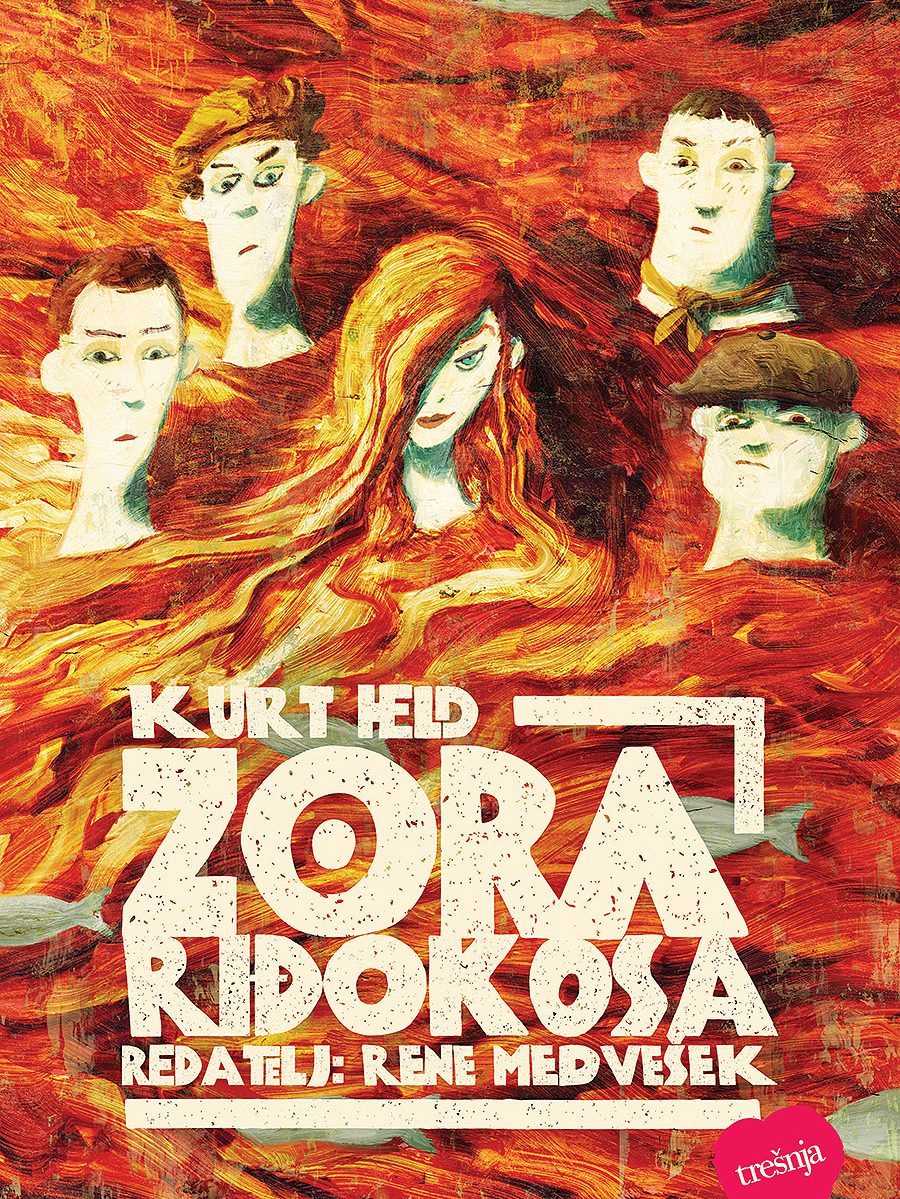
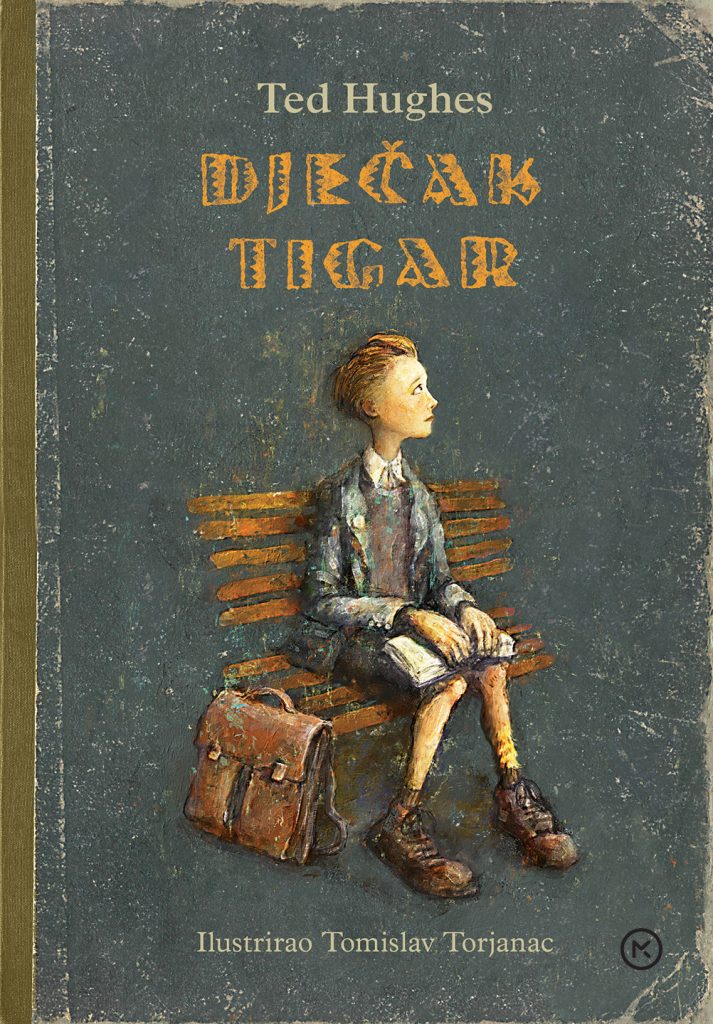
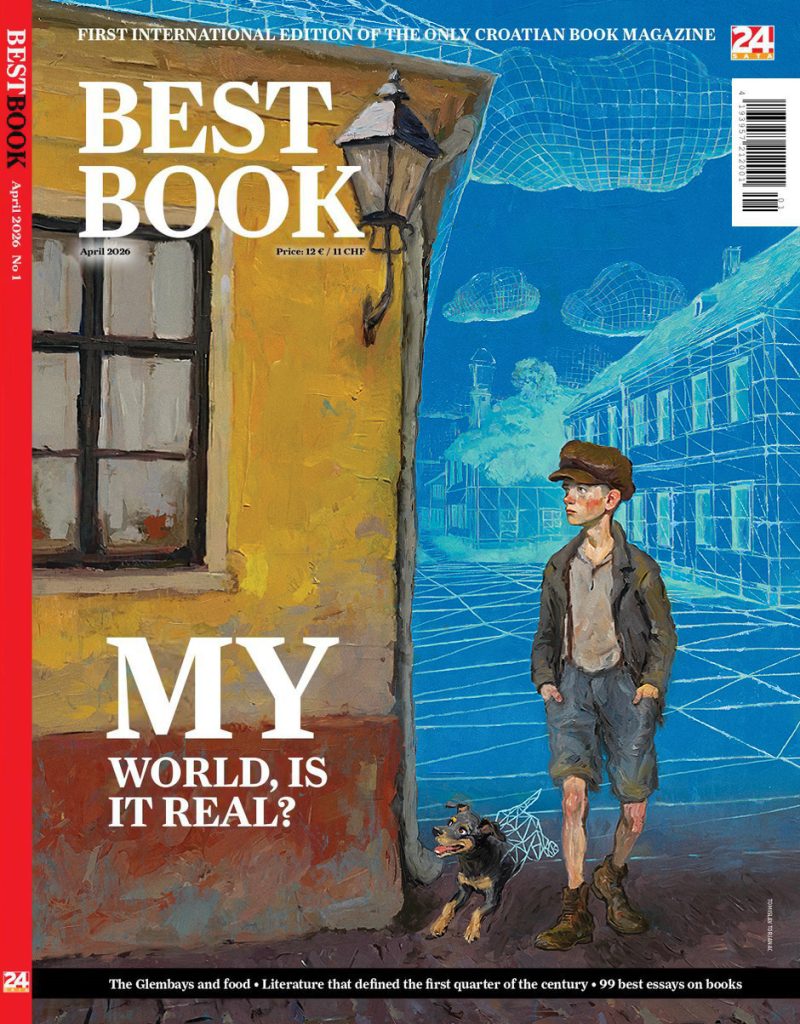
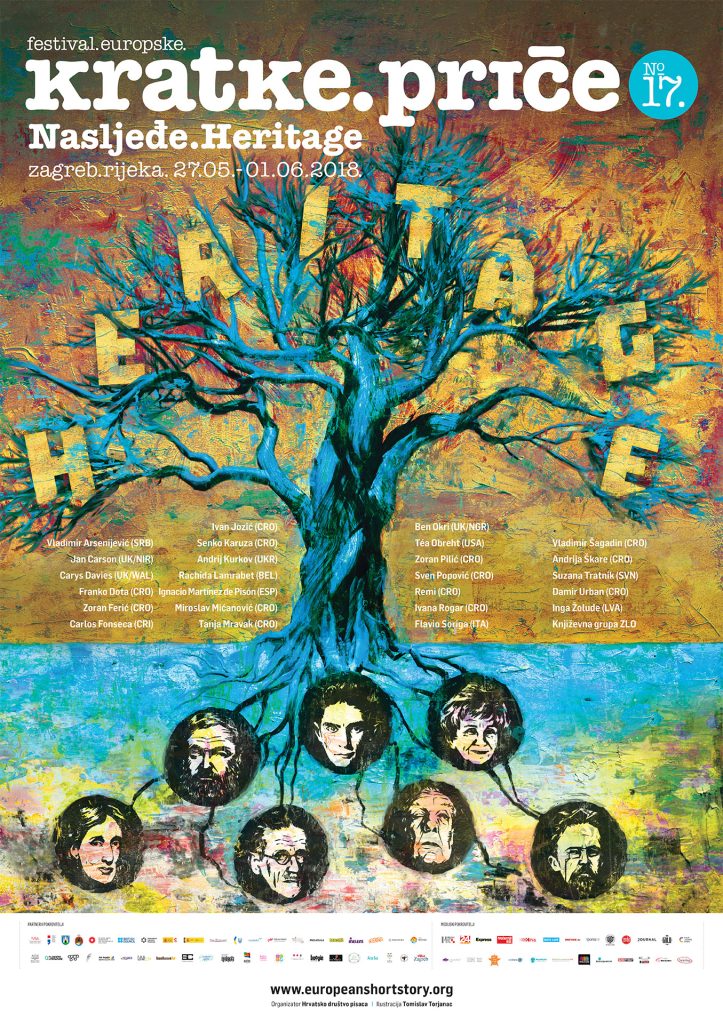
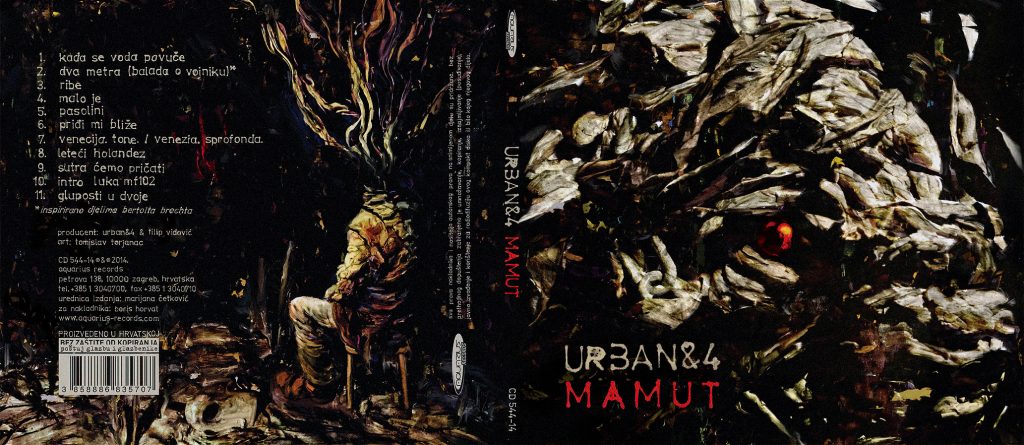
Alongside picture books and illustrated editions for Croatian and international publishers, Torjanac has also created and designed a wide range of book covers, posters, and album artwork.
Although he would not describe himself as an optimist, Torjanac remains convinced that art has always had the power to influence the world – and continues to do so – even if only in small, almost imperceptible ways. As he explains:
“Whenever I can, I try to use my interpretation of a text in picture books to touch on more serious themes in a way that may stay with a child somewhere, even if only subconsciously. Ideas such as embracing difference, friendship, non-violence and self-respect are not always present in the text itself, but the illustrations allow me to weave them into the story and, in an ideal world, plant a tiny seed that may one day become part of someone’s character.”
Gallery
View artist’s website here