Video editor and projection designer
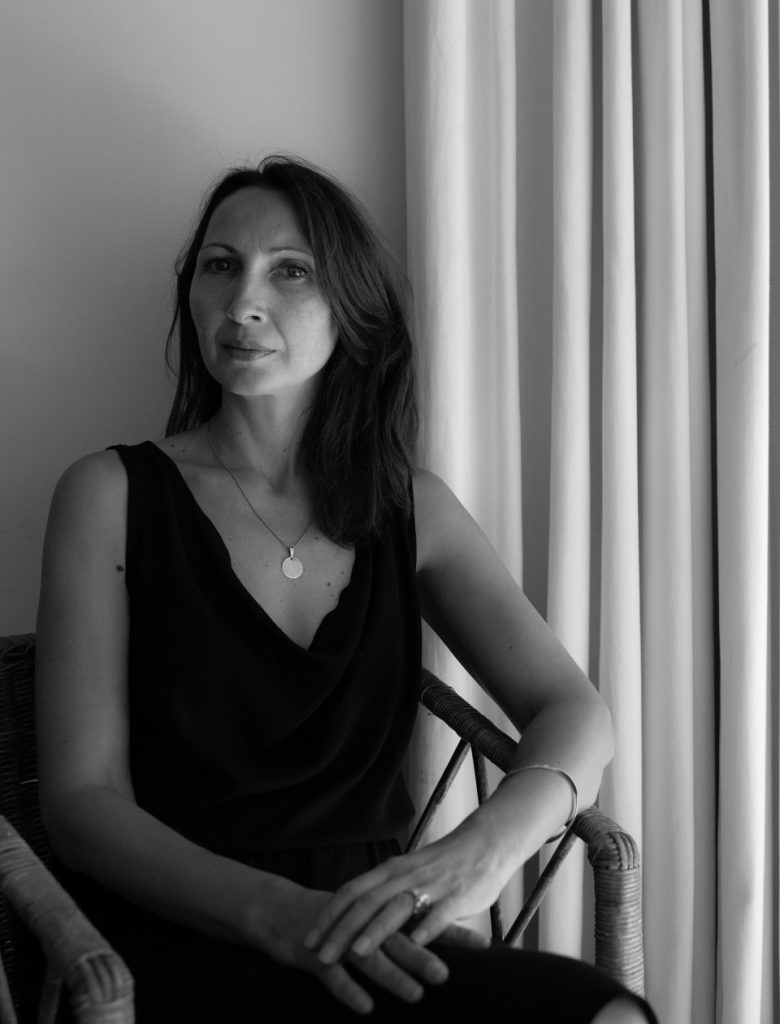
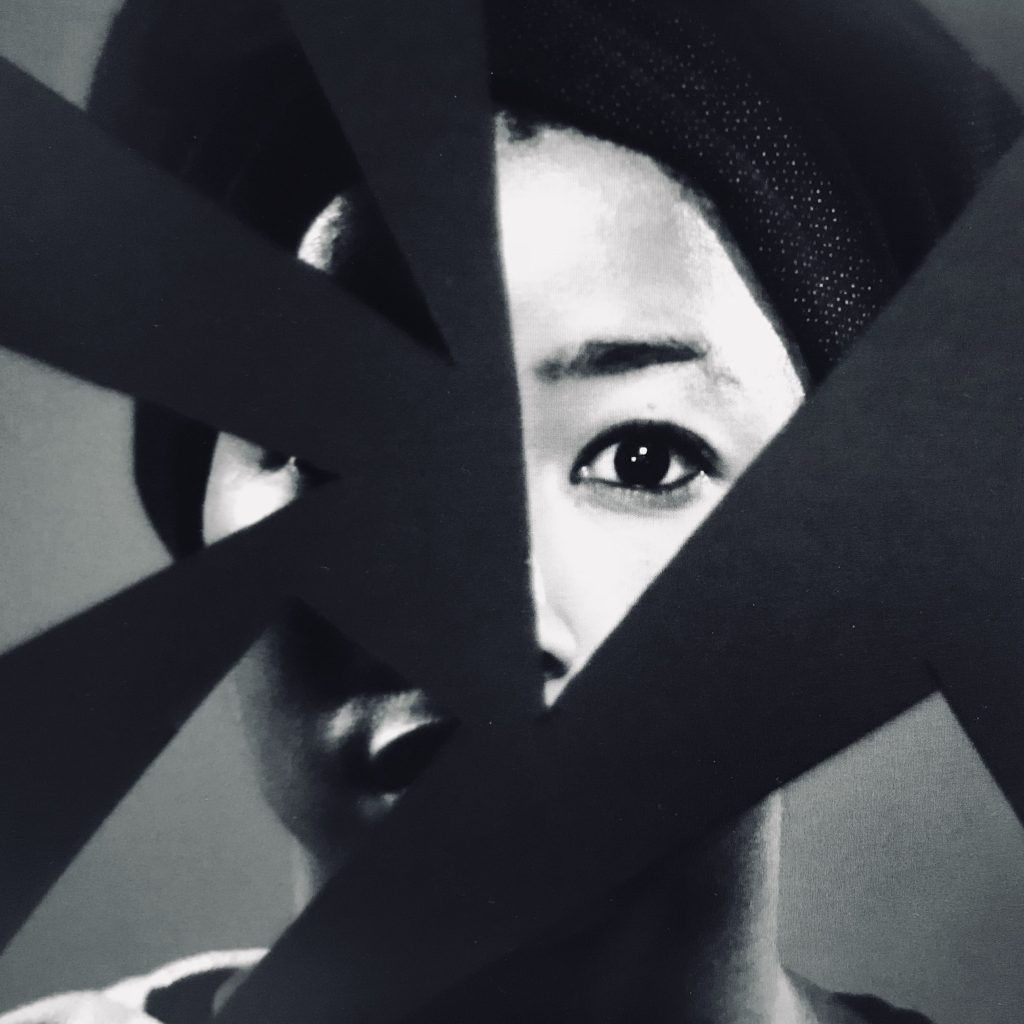
Žana Marović is a video editor and projection designer whose work exists at the intersection of film, performance, and contemporary art. Originally from Sarajevo, where she completed her medical school, Marović left the former Yugoslavia during the Balkan War and relocated to South Africa, where she now lives and works.
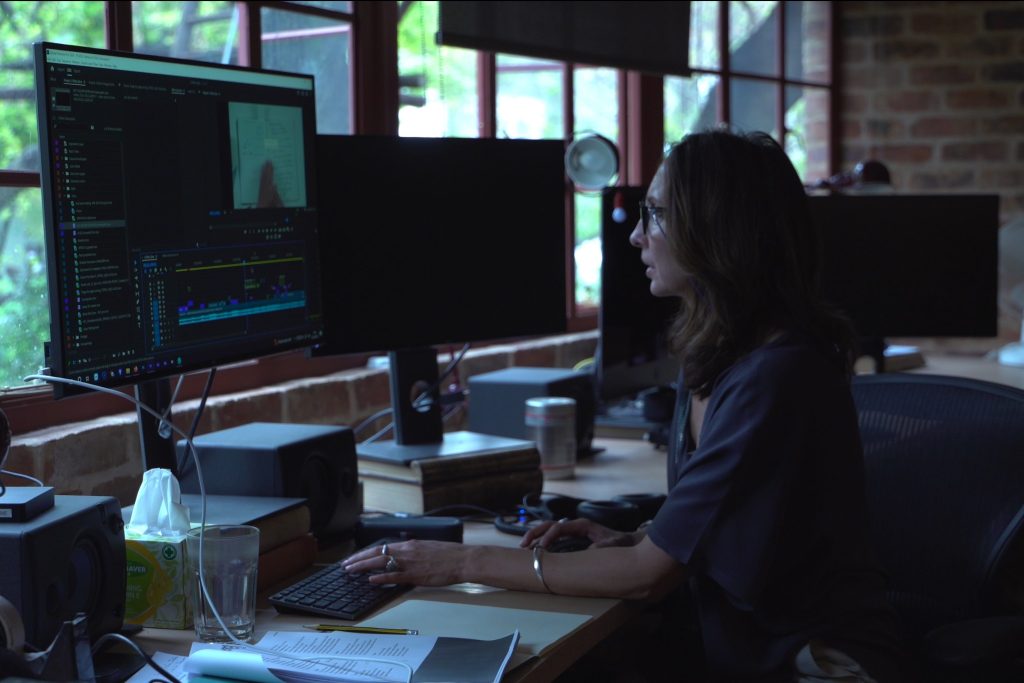
Her path into the arts follows an unusual dual trajectory: alongside continuing studies in science, she developed a parallel and growing engagement with moving images, film, and visual storytelling. This background informs her distinctive editorial sensibility – one that combines structural precision with an intuitive understanding of rhythm, transformation, and perception.
She is a member of the South African Guild of Editors, reflecting her professional standing within the film and post-production community.
As a key collaborator in the studio of William Kentridge, her practice engages deeply with the construction of time, narrative fragmentation, and the visual language of moving images within live performance and installation.
Working across theatre, opera, film, and gallery-based installations, Marović has contributed to some of Kentridge’s most significant multidisciplinary works, helping to translate his distinctive hand-drawn, process-driven aesthetic into complex, time-based visual experiences.
Early Collaboration
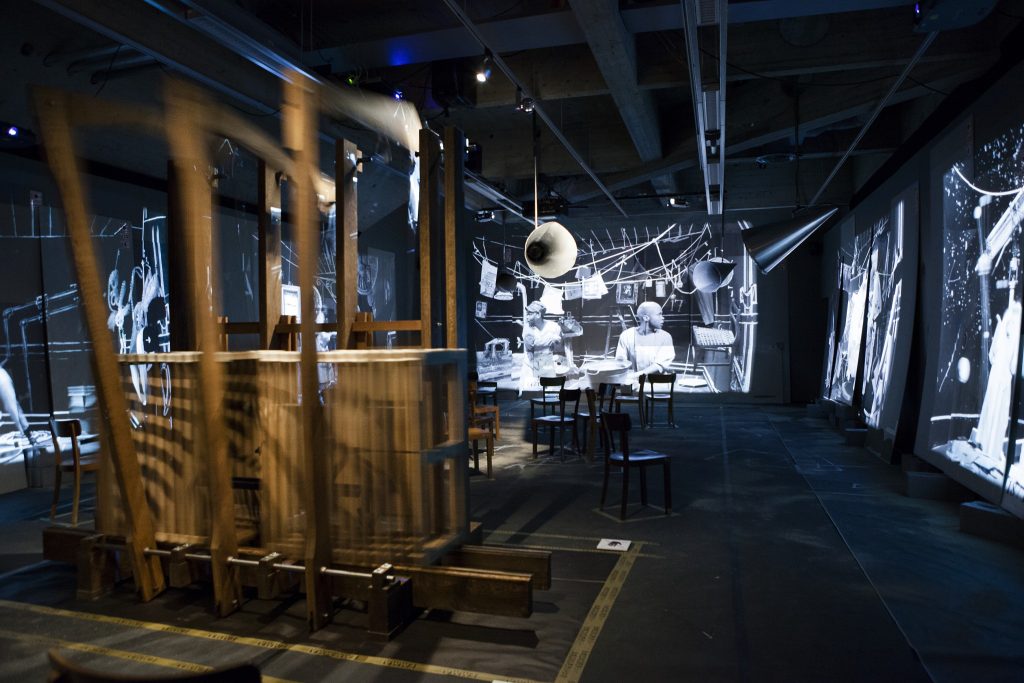
Marović’s earliest involvement in Kentridge’s studio was as an assistant editor on Refusal of Time (2012), a 30-minute, five-channel video installation created for Documenta 13 in Kassel. The work is a meditation on time – its measurement, fragmentation, and political implications – combining film, drawing, performance, and mechanical elements into a complex, immersive environment.
Emerging from this project was the chamber opera Refuse the Hour, which translated the installation’s ideas into a live performance format, integrating music, text, projection, and choreography. These formative projects marked the beginning of Marović’s long-term collaboration with Kentridge, establishing an editorial approach grounded in multiplicity, rhythm, and the construction of meaning across parallel visual streams.
BOZAR Exhibition (2026–2027): A Focus on Collaboration
From September 2026, Kentridge’s major exhibition at BOZAR in Brussels brings together a wide-ranging selection of his work, with several key projects edited in close collaboration with Marović – Oh To Believe in Another World, Waiting for the Sibyl, and Self-Portrait as a Coffee Pot – serving as central points of reference for their shared practice.
In addition, the exhibition includes a documentary film, The Making of L’Orfeo by Marović, that follows the collaboration and process of making the opera L’Orfeo. The film traces the full operatic process, engaging with every layer of production – from conceptual development and rehearsals to staging, music, projection, and technical execution. It foregrounds the collective nature of opera, bringing into view the performers, musicians, directors, designers, and technical teams whose contributions shape the final work.
By revealing the complexity, labour, and coordination required to realise an opera, the film becomes an essential lens for understanding both the scale of the production and the collaborative processes that underpin Kentridge’s practice.
Together, these works trace a trajectory from stage-based projection to cinematic and installation formats, highlighting Marović’s role in shaping the temporal and spatial articulation of image, sound, and performance.
Key Works in Focus
Oh To Believe in Another World (2022)
Conceived as a film for a live orchestral performance of Symphony No. 10 in E minor by Dmitri Shostakovich, Oh To Believe in Another World unfolds within what appears to be an abandoned Soviet museum – constructed, in fact, from cardboard on a table in the artist’s studio, where fragments of the studio itself remain intermittently visible.
Using a miniature camera, the film navigates through a sequence of interior spaces: halls of the museum that shift into unexpected environments, including a community theatre, a public swimming pool, and a quarry that opens at the edge of the architectural structure. A corridor lined with vitrines contains stuffed historical figures, reinforcing the work’s exploration of memory, display, and historical narrative.
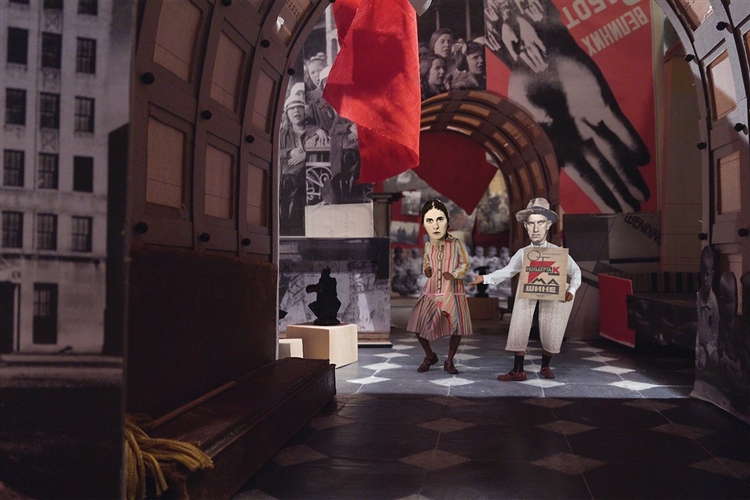
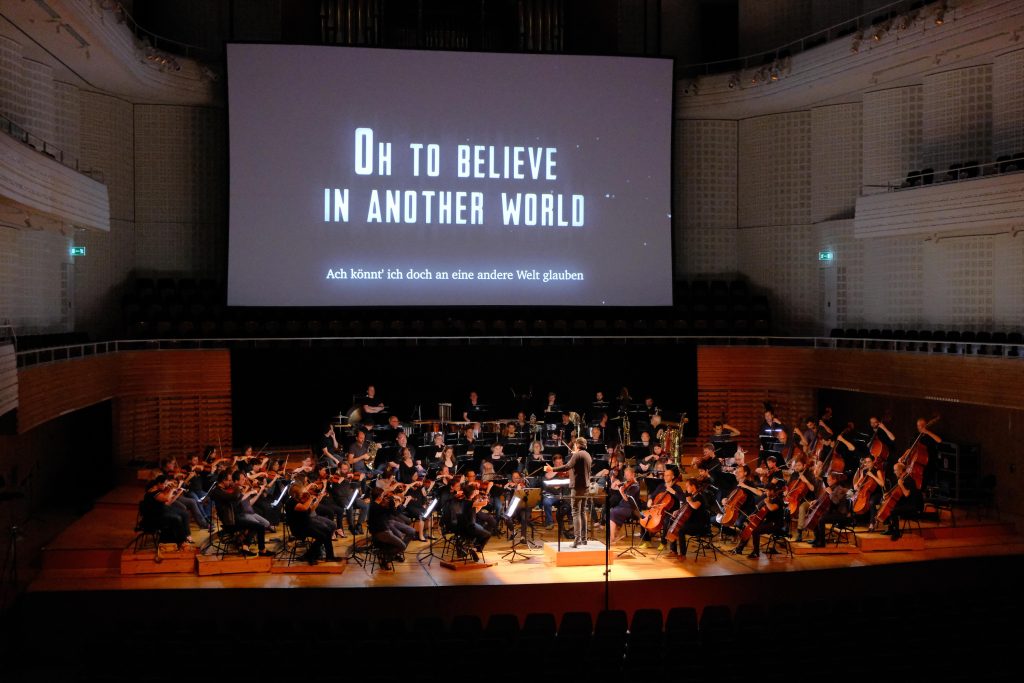
The characters appear as puppets, yet are also performed by actors inside these forms, creating a layered presence between object and performer. The work adopts a collage-based structure, in which disparate elements are assembled into a shifting visual field, proposing history itself as a form of collage – fragmented, constructed, and continually reconfigured.
The artistic medium becomes a way of thinking through historical events rather than illustrating them. Marović’s editing plays a crucial role in guiding this movement, shaping a cinematic journey where meaning emerges through juxtaposition and transformation, extending its structure into a dialogue between moving image and orchestral composition.
Waiting for the Sibyl (2019)
Waiting for the Sibyl originated from an invitation by the Rome Opera to create a companion piece to “Work in Progress”, Alexander Calder’s 1968 work. The piece draws on the myth of the Cumaean Sibyl, a prophetic figure who would inscribe a person’s fate on individual oak leaves and leave them at the entrance of her cave, where they would accumulate and scatter.
In Kentridge’s interpretation, these leaves – caught in circular motion – transform into the pages of Dante’s book, gathered and reassembled by the wind into a fragile, shifting text. This movement between dispersal and cohesion becomes central to the visual logic of the work.
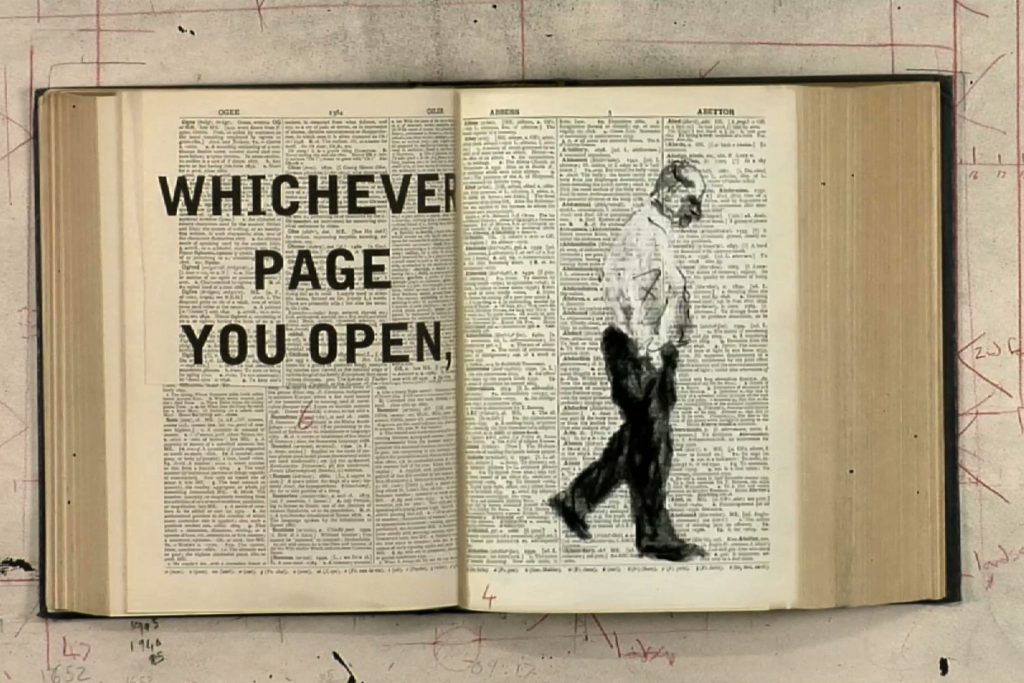
Developed through the drawing on thousands of successive pages of encyclopaedias and dictionaries, the project evolved into a film structured as a flip-book. The accumulation of pages, marks, and erasures forms a temporal sequence in which meaning is constantly assembled and undone.
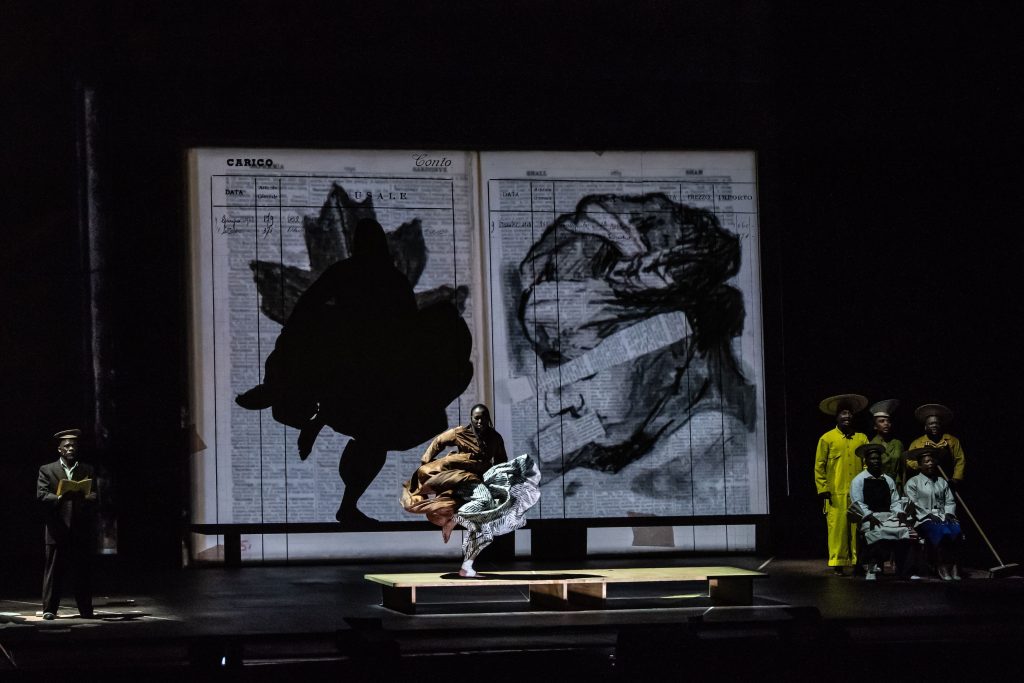
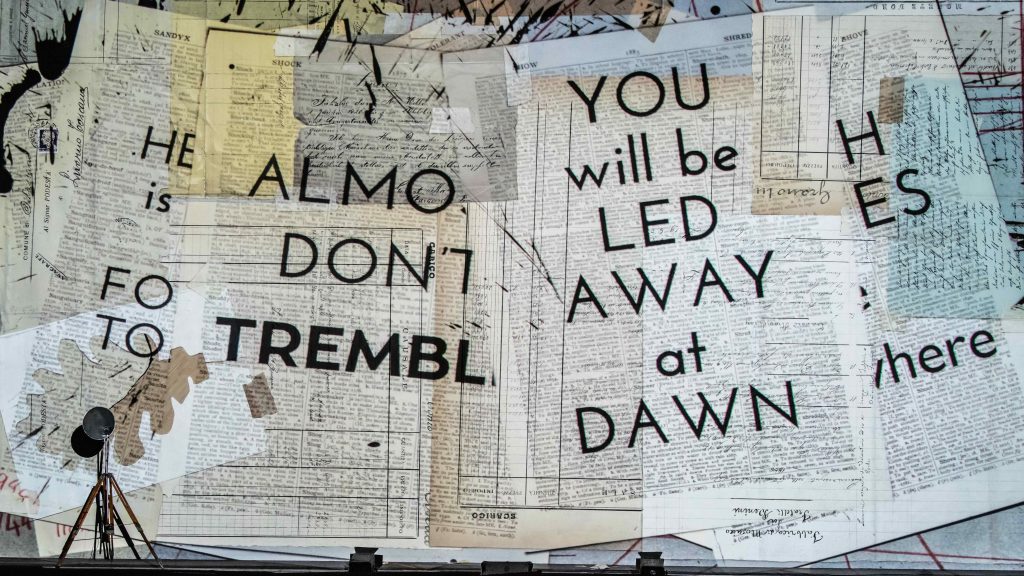
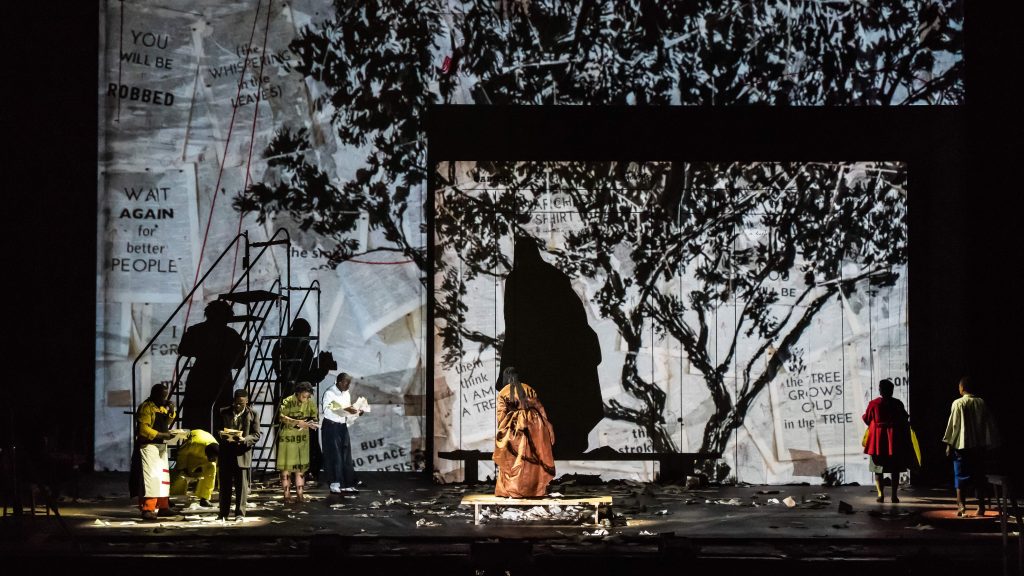
As video editor and projection designer, Marović shapes this transformation – structuring the rhythm through which images emerge, scatter, and reform. Her editing sustains the tension between legibility and fragmentation, echoing the Sibyl’s unstable transmission of fate.
Video courtesy of DE SINGEL – International Arts Centre & Kentridge Studio
Concept, Direction: William Kentridge
Associate Director: Nhlanhla Mahlangu
Composer: Kyle Shepherd
Editing: Žana Marović
Costumes: Greta Goiris
Scenography: Sabine Theunissen
Light: Urs Schönebaum
Light Assistant: Elena Gui
Photography, Cinematography: Duško Marović SASC
Video: Kim Gunning
Musicians: Kyle Shepherd, Ayanda Nhlangothi, Zandile Hlatshwayo, Siphiwe Nkabinde, S’busiso Shozi
Performers: Nhlanhla Mahlangu, Xolisile Bongwana, Thulani Chauke, Teresa Phuti, MojelaThandazile, ‘Sonia’ Radebe
Self-Portrait as a Coffee Pot (2023)
Video courtesy of MUBI & Kentridge Studio
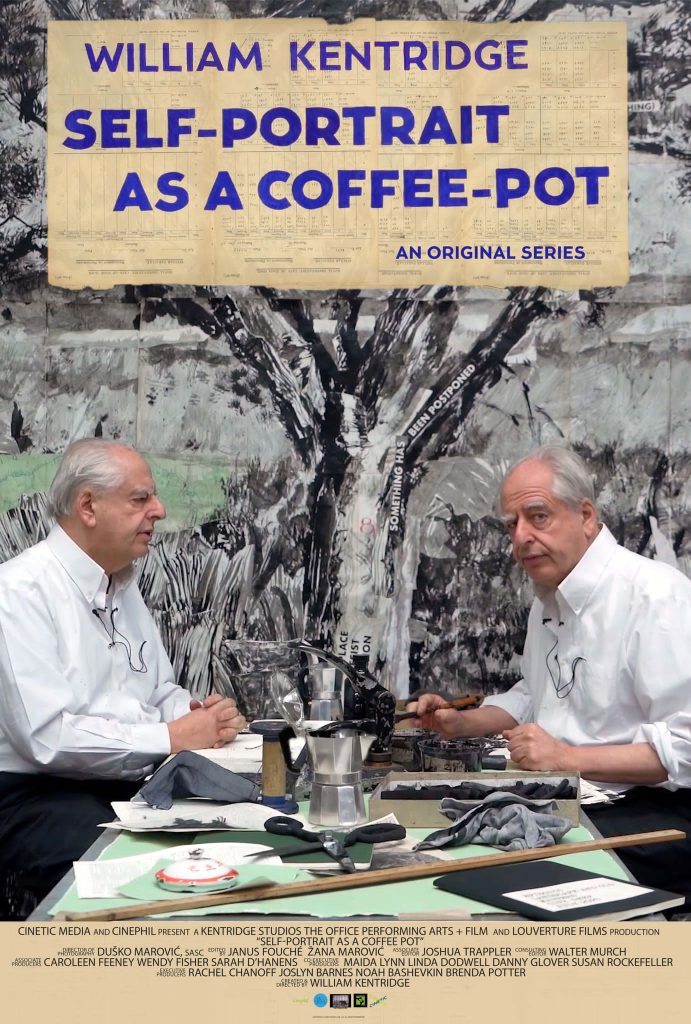
The nine-episode series, created and directed by William Kentridge, is executive produced by Rachel Chanoff and Noah Bashevkin of THE OFFICE PERFORMING ARTS + FILM, Joslyn Barnes of LOUVERTURE FILMS and the WILLIAM KENTRIDGE STUDIO, and edited by Walter Murch, Janus Fouché and Žana Marović.
Shot in Johannesburg during and in the aftermath of the 2020–2022 COVID-19 pandemic and completed in 2023, this nine-part film series offers an intimate yet constructed view of William Kentridge’s studio practice. The works are often presented within an exhibition environment that partially reconstructs the studio itself.
Filmed during the first lockdown, the studio becomes both a physical and mental space – an enclosed environment that reflects the constraints of the pandemic while functioning as a chamber for thought. Drawings, photographs, and materials accumulated on the walls become visible manifestations of an evolving inner landscape.
The series reflects on artistic freedom within conditions of restriction, while also foregrounding the act of mark-making as a process through which the self is formed. Relationships between drawing, music, and movement emerge as forms of cognitive exercise – ways of sustaining attention and expanding thought in an era shaped by digital technologies and artificial intelligence.
Marović was one of the editors on the project, working within a collaborative editorial framework under the guidance of Walter Murch, renowned for his work on films such as Apocalypse Now and The English Patient. This context situates the project within a lineage of cinematic thinking about editing, where structure, rhythm, and meaning are shaped through an interplay between intuition and precision.
As co-editor, Marović structures the internal rhythm of this environment, shaping the temporal and conceptual flow of the work.
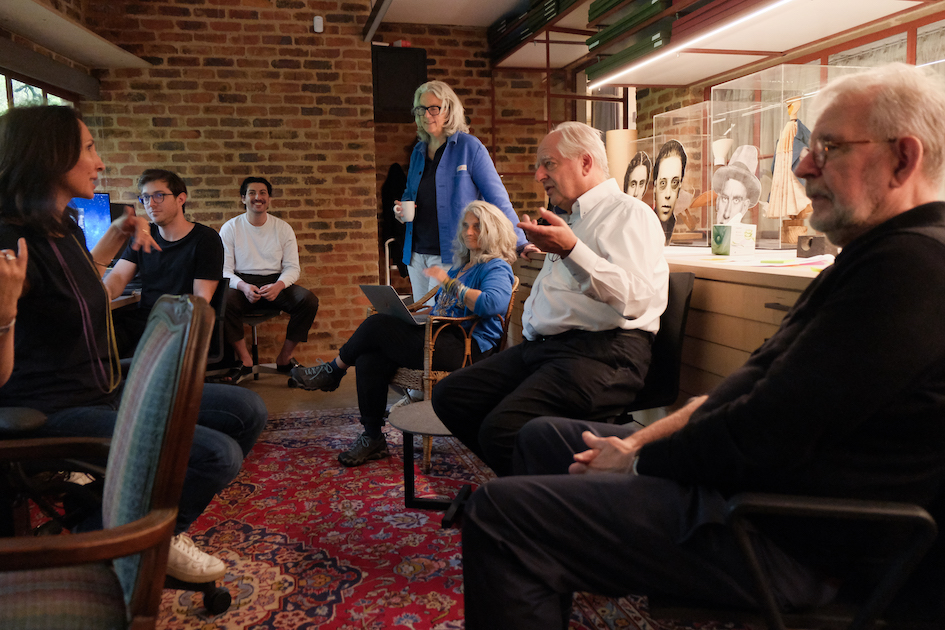
Photograph: Janus Fouché
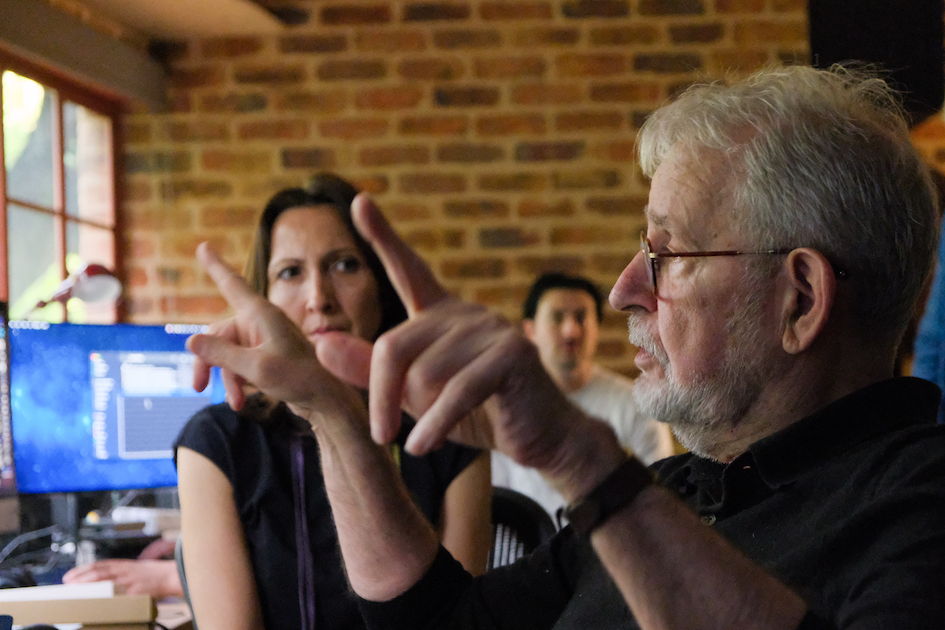
Photograph: Janus Fouché
Opera and Music Theatre Projects
Marović has contributed to a range of opera and chamber opera productions by Kentridge, where projection and moving image form an integral part of the dramaturgy.
Her work includes chamber operas such as Waiting for the Sibyl (Teatro dell’Opera di Roma) an The Great Yes, The Great No (2024), where she contributed to the editing and construction of projected imagery within complex, multi-layered performances.
In addition, she contributed to Franz Schubert’s Winterreise, a staged song cycle integrating existing and new animated material into a new film, premiered in Vienna in 2014, and seeing its new adaptation for the Swedish Chamber Orchestra in April 2028.
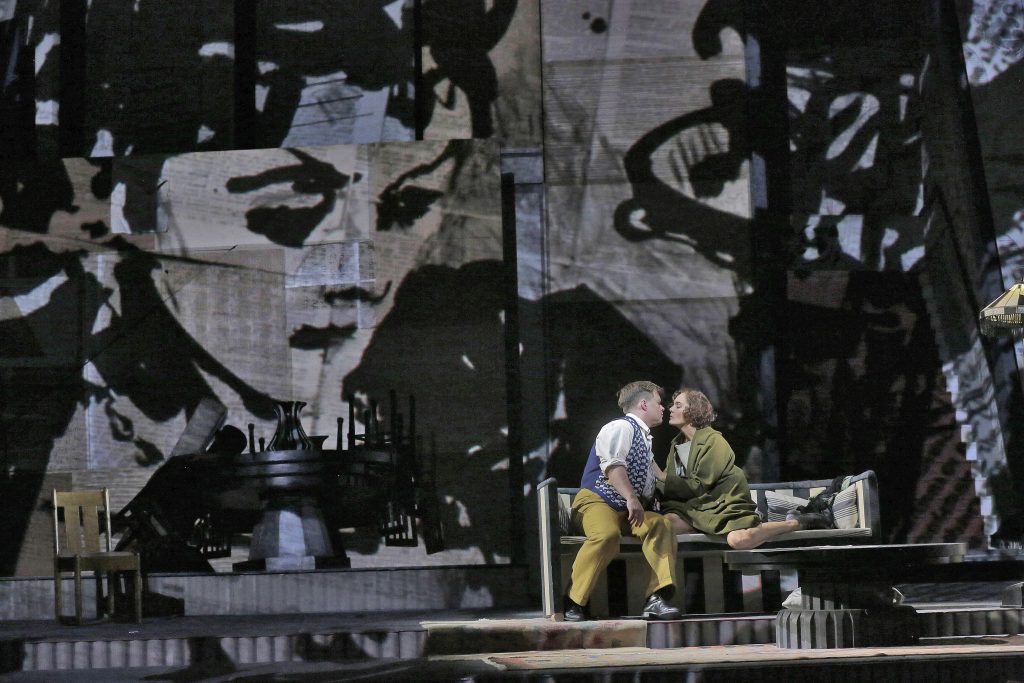
She has also worked on major opera productions including Alban Berg’s Lulu, Wozzeck (Salzburg Festival), and Claudio Monteverdi’s L’Orfeo (Glyndebourne Opera Festival), where she served as associate editor.
Across these works, her role involves translating drawn animation and filmed material into live performance contexts, shaping the interaction between image, music, and stage.
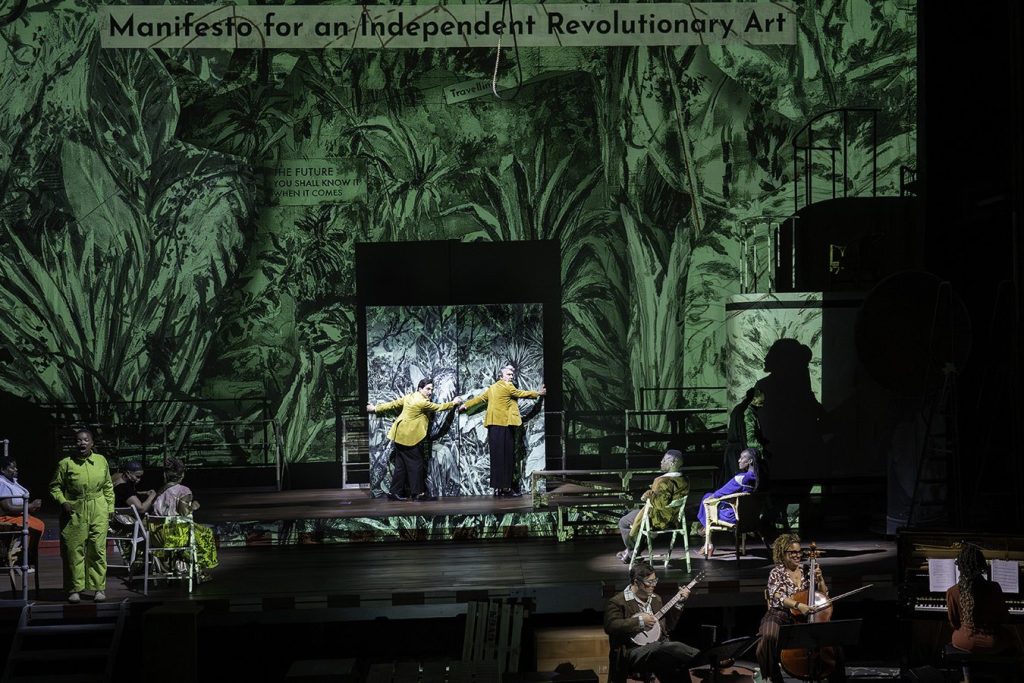

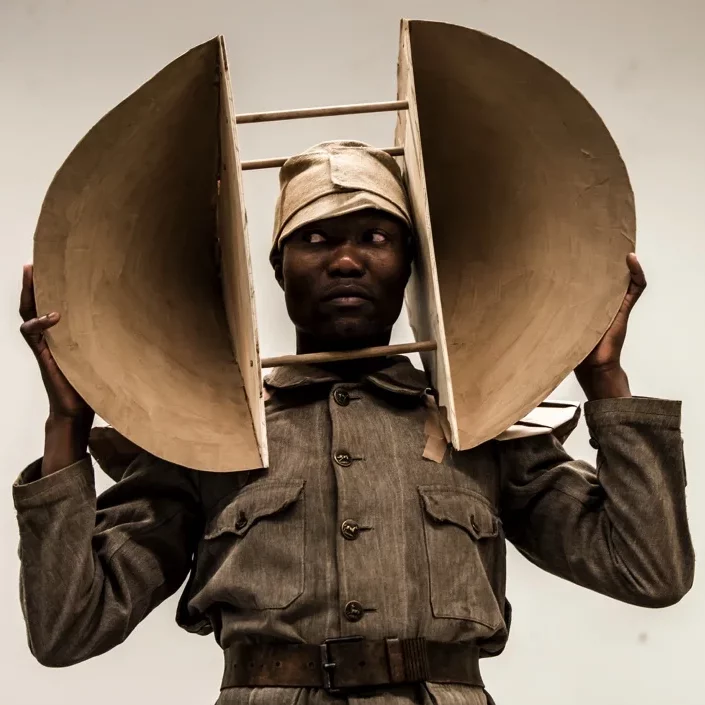
Žana Marović was one of the video editors and compositors on William Kentridge’s The Head & the Load, a major performance work exploring the histories of Africans who participated in the First World War under colonial rule. The Head & the Load, originally co-commissioned by 14-18 NOW: WW1 Centenary Commissions, MASS MoCA, Park Avenue Armory, Ruhrtriennale, and Yale Schwarzman Center, with additional support from Holland Festival, brought together theatre, music, dance, and moving images to confront histories of colonial violence, absence, and erasure.
Marović contributed to the production’s intricate visual fabric, in which projected imagery forms an essential part of the performance’s dramaturgy. Through the interplay of images, bodies, sound, and movement, The Head & the Load creates a layered, fragmented encounter with history, giving visibility to lives and experiences too often excluded from official records.
Installation, Film, and Collaborative Practice
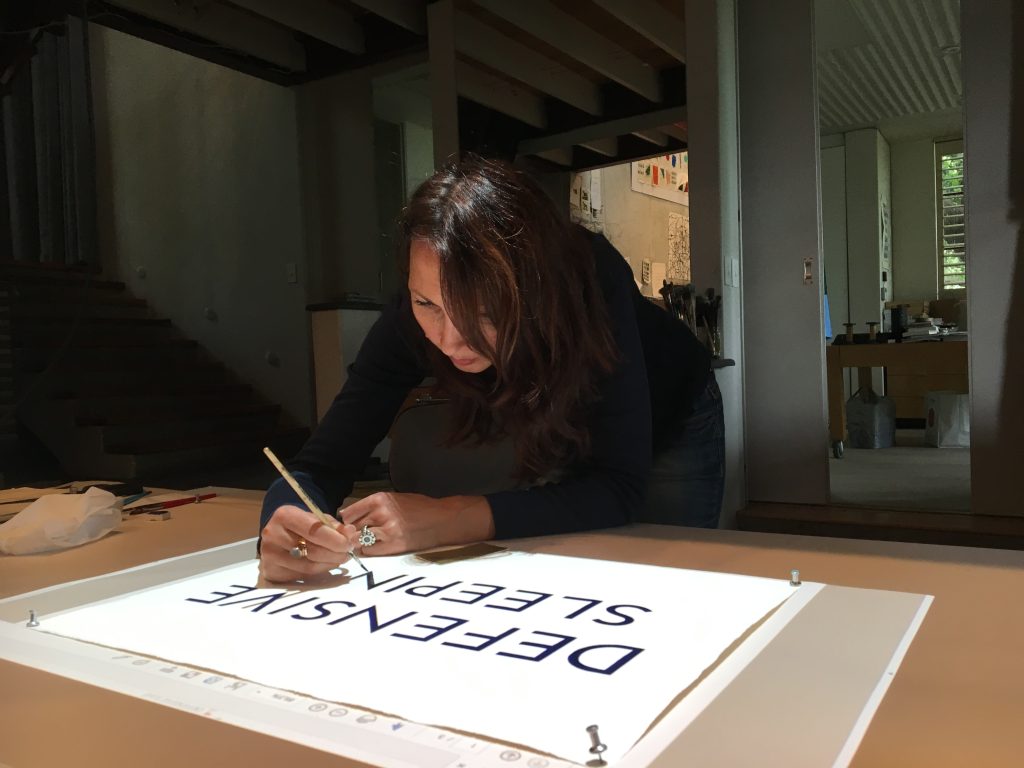
Her work extends into gallery-based installations, including O Sentimental Machine (2015), created for the Istanbul Biennial, Notes Towards the Model Opera for the museum installation in Beijing, as well as flipbook-based films such as 2nd Hand Reading, Fugitive Words, and O Quickly Disappearing Photograph.
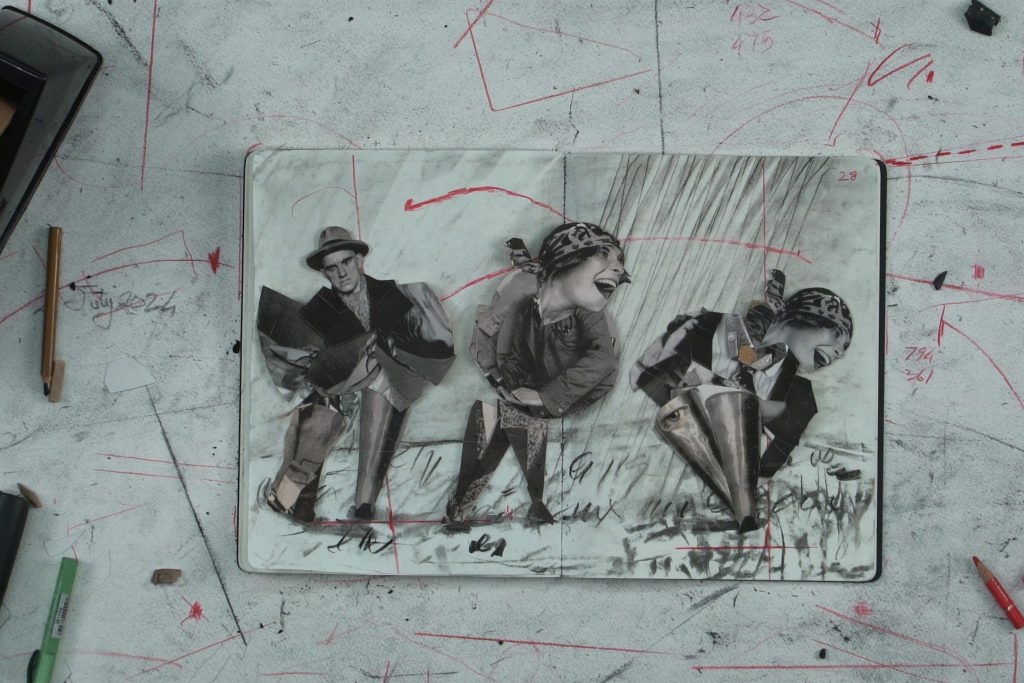
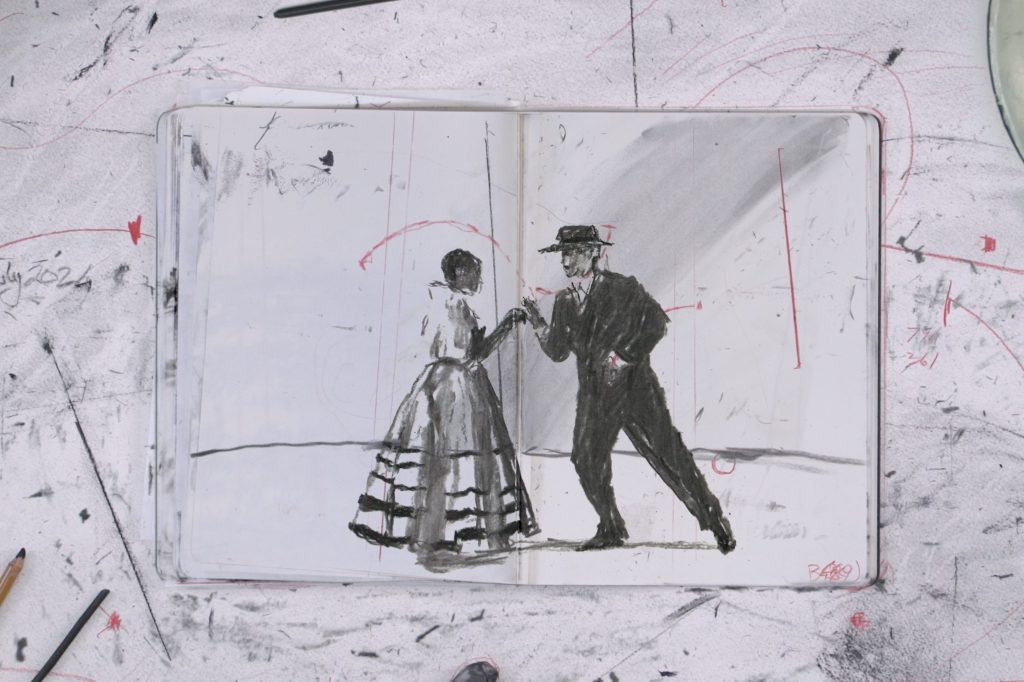
Marović is also a frequent participant in projects developed through The Centre for the Less Good Idea, a space for responsive thinking through experimental, collaborative, and cross-disciplinary arts practices based in Maboneng, Johannesburg. The Centre operates both as a physical and immaterial incubator, fostering incidental discoveries that emerge in the process of making work, and prioritising experimentation, improvisation, and collective exploration.
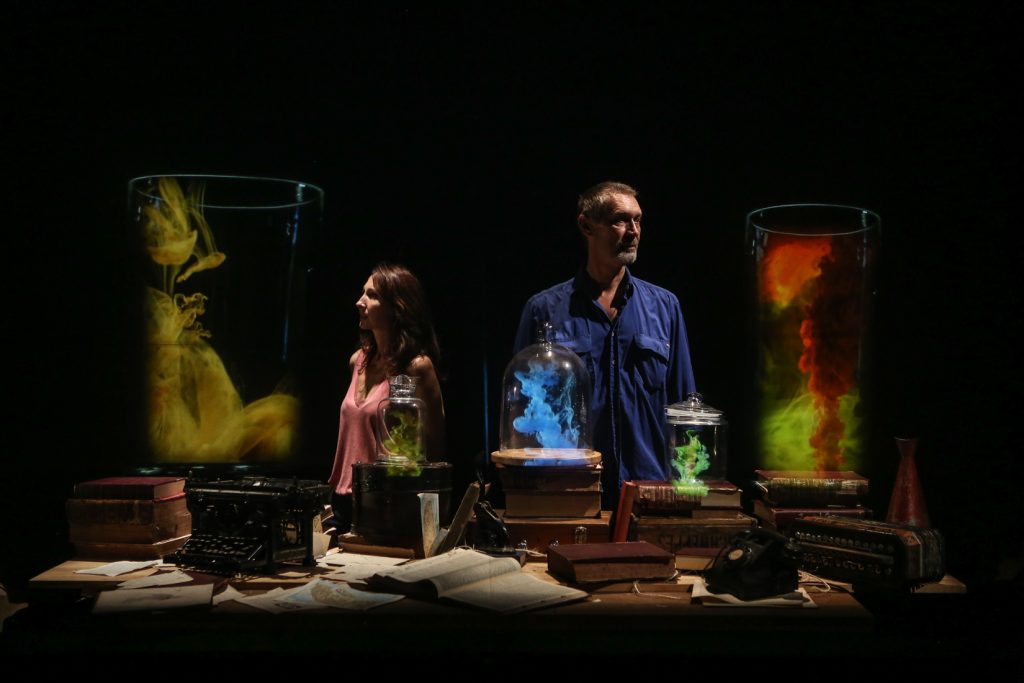
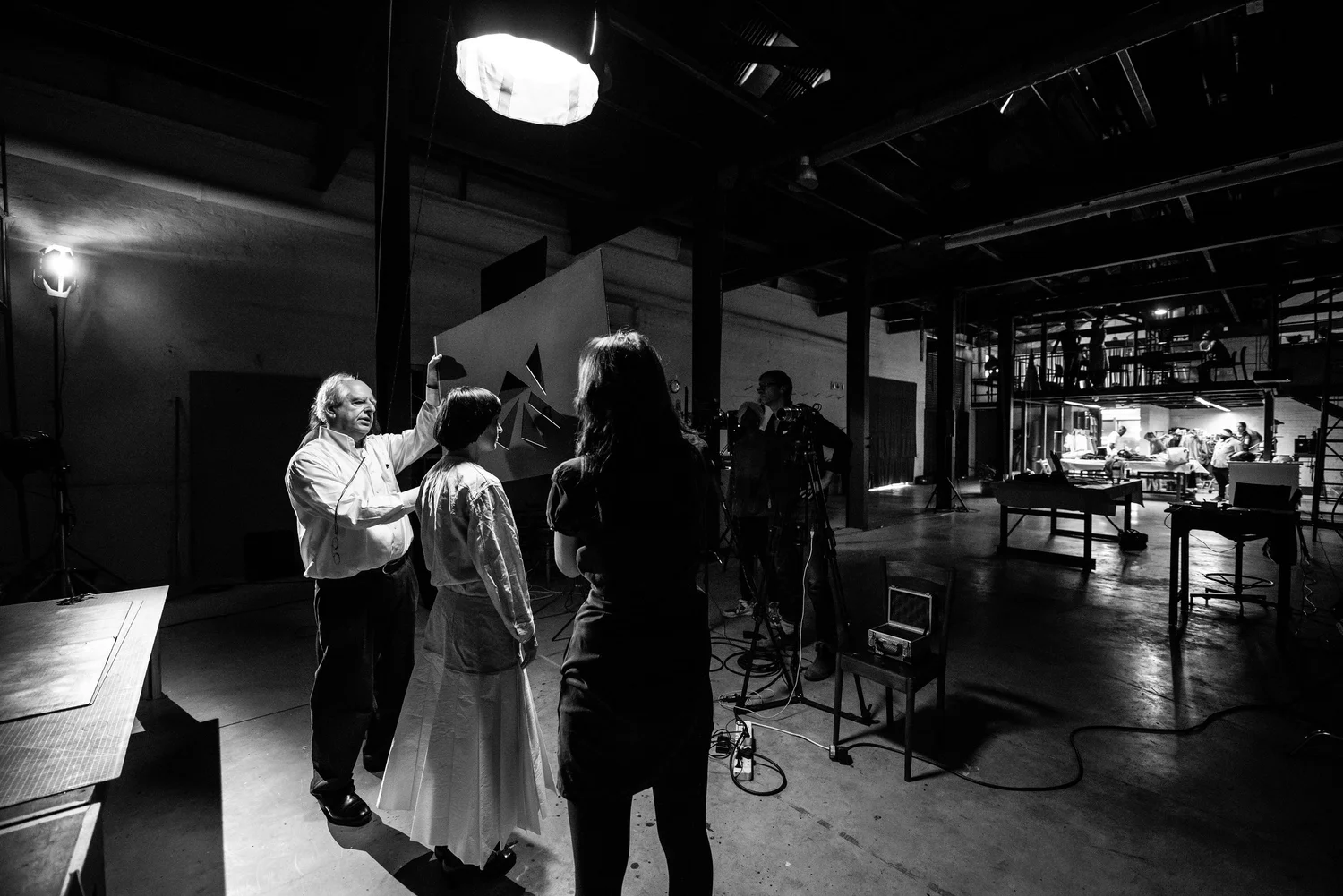
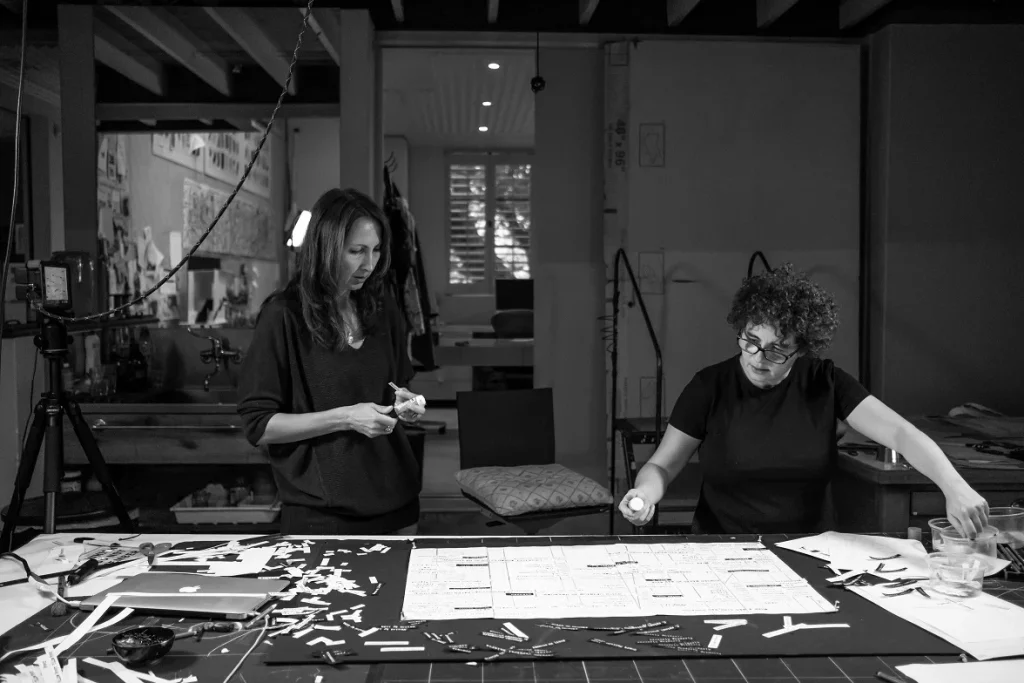
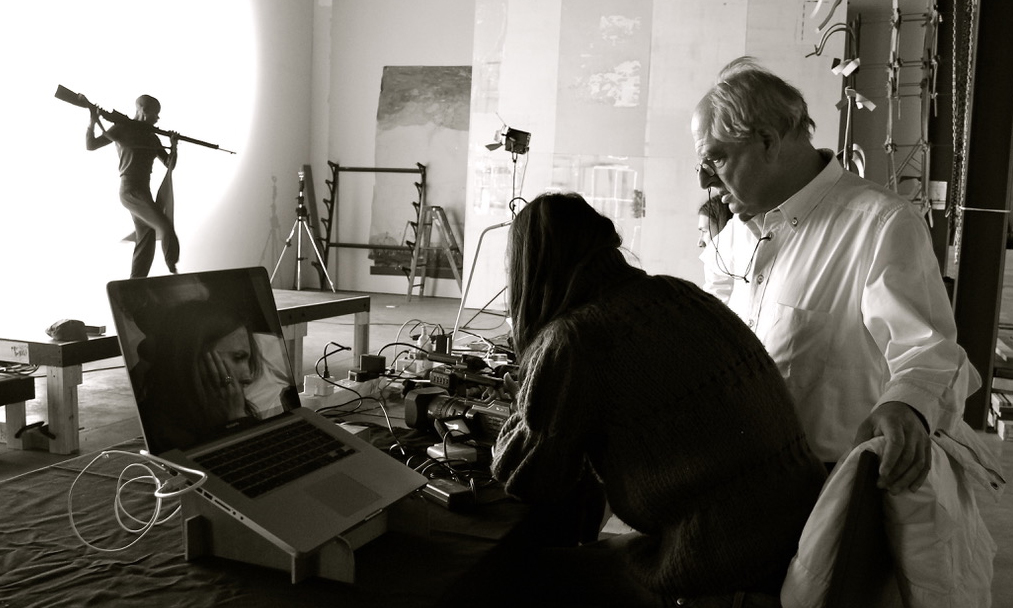
In the background: South African dancer Dada Masilo. Photograph: Stella Olivier
Process and Practice
A defining influence on Marović’s approach to editing has been her long-standing collaboration with William Kentridge. Central to this experience is an understanding of process as the core of creative work. Within the studio, making is not directed toward a fixed outcome, but unfolds through iteration, revision, and openness to change.
Failure is not treated as a setback but as an essential part of development. Ideas that initially appear less resolved often evolve into the most compelling elements of a project. This approach requires trust in the process – allowing the work to develop, shift direction, and reveal its own internal logic over time.
This philosophy is reflected in Marović’s editing practice, where rhythm and meaning emerge through assembling, dismantling, and reconfiguring images until a form begins to assert itself.
Žana Marović’s work demonstrates how editing can move beyond assembly into a form of thinking – one that shapes time, constructs meaning, and transforms images into living, performative elements within contemporary art.
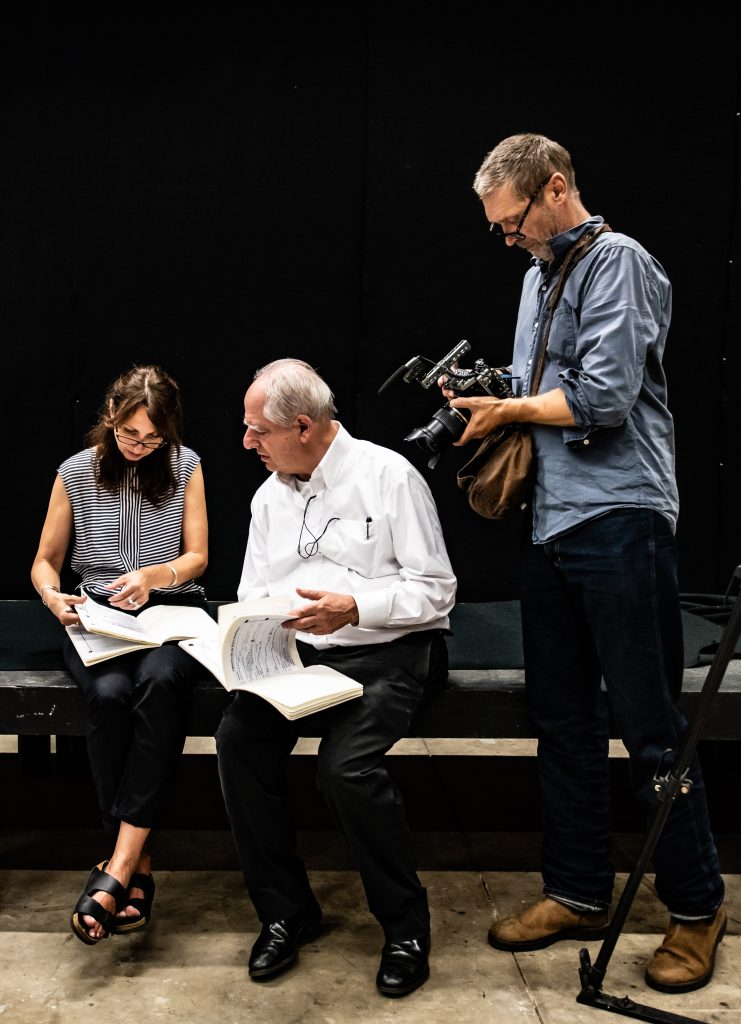
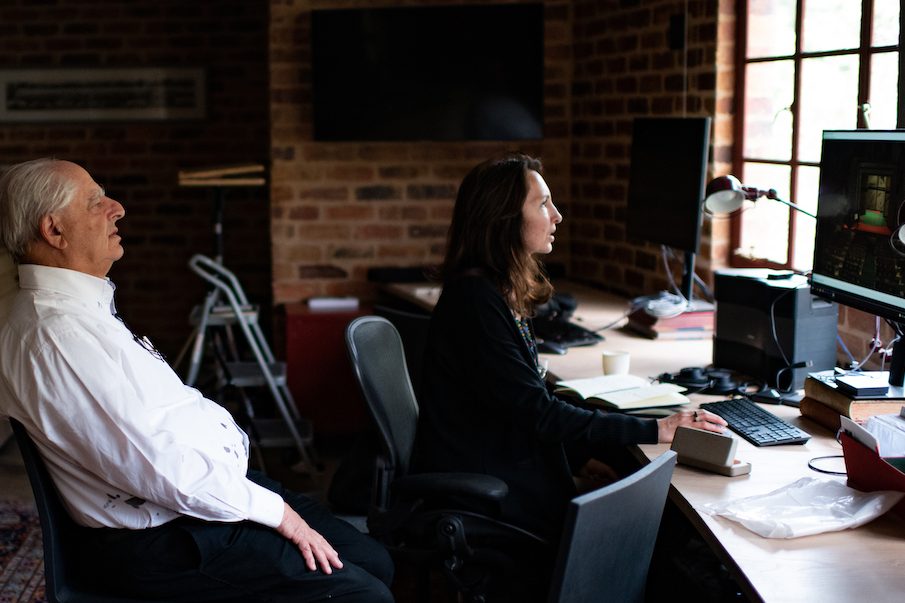
Žana Marović, William Kentridge, and DOP Duško Marović.
Photograph: Stella Olivier
See more on Artist’s Website →
Selected Projects with William Kentridge
The making of L’Orfeo (2026) – Documentary
O quickly disappearing photograph (2026) – Flipbook animation film for a live piano
L’Orfeo (2026) – Opera
Fugitive Words (2025) – Flipbook animation film
The Great Yes, The Great No (2024) – Chamber Opera
Self-Portrait as a Coffee Pot (2023) – Episodic series
Oh To Believe in Another World (2022) – Film for a live symphony orchestra
Waiting for the Sibyl (2019) – Chamber Opera
The Head & the Load (2018) – Large format video and live performance
Wozzeck (2016) – Opera
Lulu (2015) – Opera
O Sentimental Machine (2015) – 5-channel Installation
Notes Towards a Model Opera (2015) – 3-channel installation
Winterreise (2014)- Film for a live piano and voice performance
Second-hand Reading (2013) – Flipbook animation film
Refusal of Time (2013) – 5-channel installation
Refuse the Hour (2012) – Chamber Opera