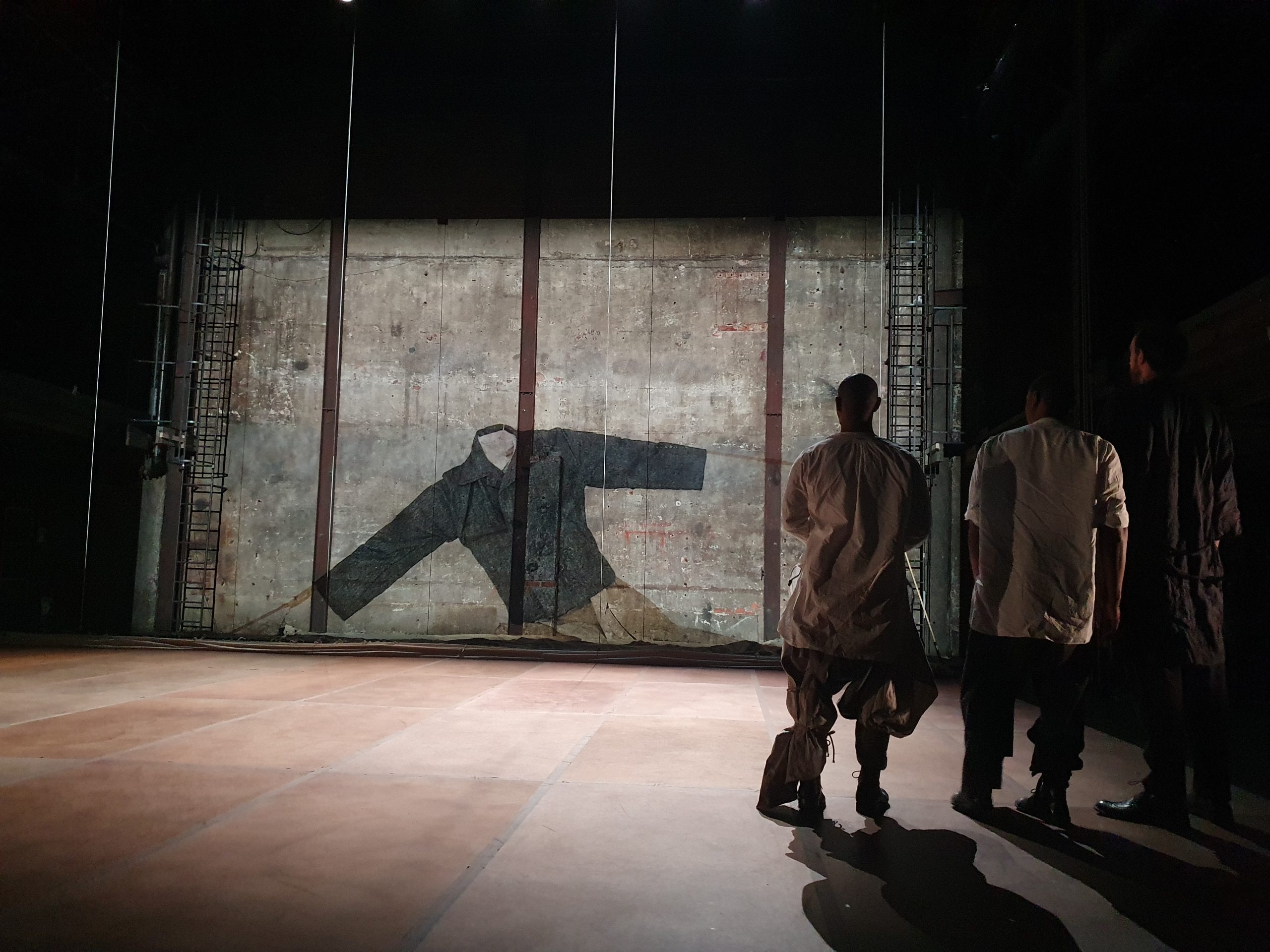
Sabine Theunissen and the Spaces of William Kentridge
Episode 3 of Pluartis’s editorial series on collaborative practice explores how Belgian architect and set designer Sabine Theunissen helps transform William Kentridge’s masterful charcoal studies into monumental theatrical worlds.
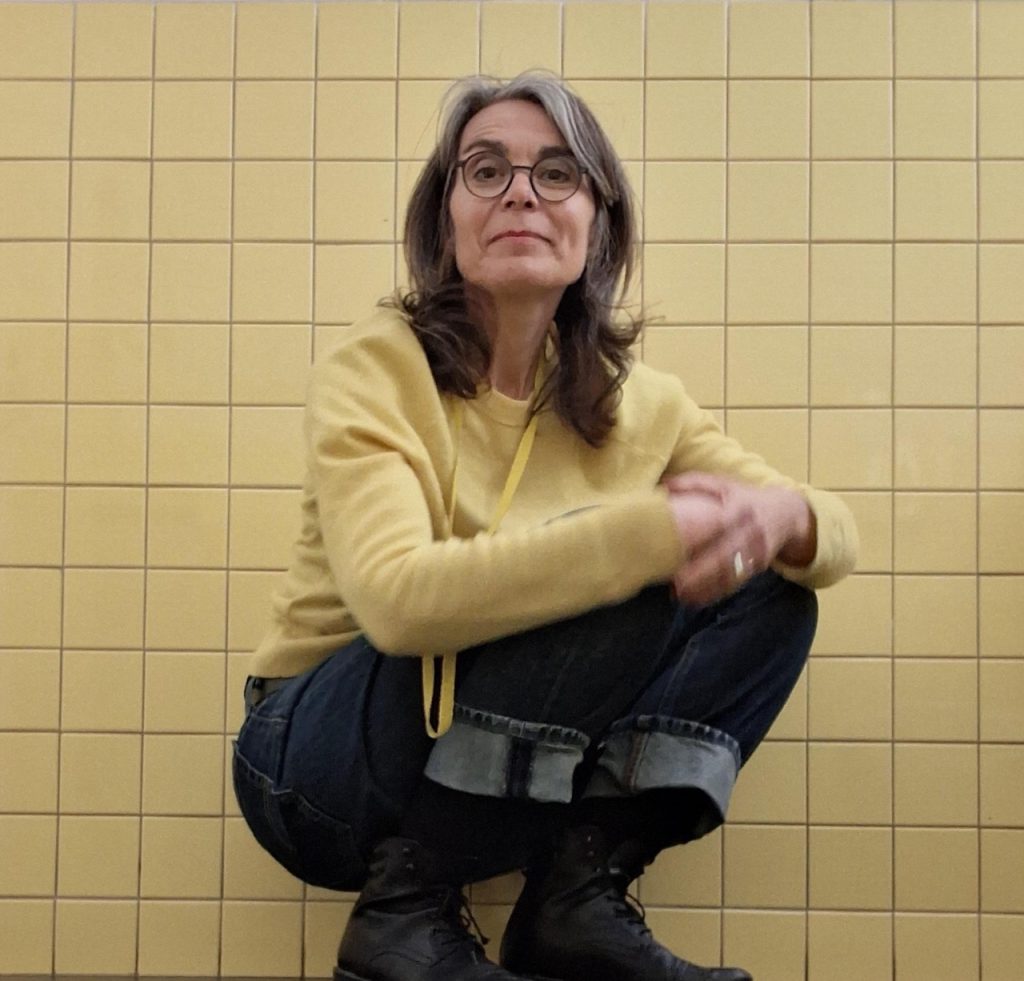
BRUSSELS – Following our features on Žana Marović and Catherine Meyburgh, Pluartis is pleased to announce the unveiling of the dedicated profile page for Brussels-based architect, stage director, and scenographer Sabine Theunissen.
Trained as an architect in Brussels and honed through years within the technical and design offices of La Scala in Milan and the Royal Theater of La Monnaie, Theunissen first partnered with William Kentridge on The Magic Flute (La Monnaie, 2005). Over two decades of close dialogue, she has served as the key spatial mind behind Kentridge’s most celebrated productions, including The Nose (Metropolitan Opera, New York; Opéra de Lyon; Festival d’Aix-en-Provence), Refuse the Hour and Refusal of Time (Documenta XIII, Kassel), Winterreise (Vienna, 2014), Lulu (Met, ENO, DNO, 2015), Wozzeck (Salzburg, Met, Sydney, 2017–2019), The Head and the Load (Tate Modern, Ruhrtriennale, Armory NYC, 2018), Waiting for the Sibyl (Opera of Rome, 2019), the film Oh to Believe in Another World (Lucerne Festival, 2022), the sets for Great Yes, Great No (Luma Arles, 2024) and for L’Orfeo Glyndebourne, 2026).
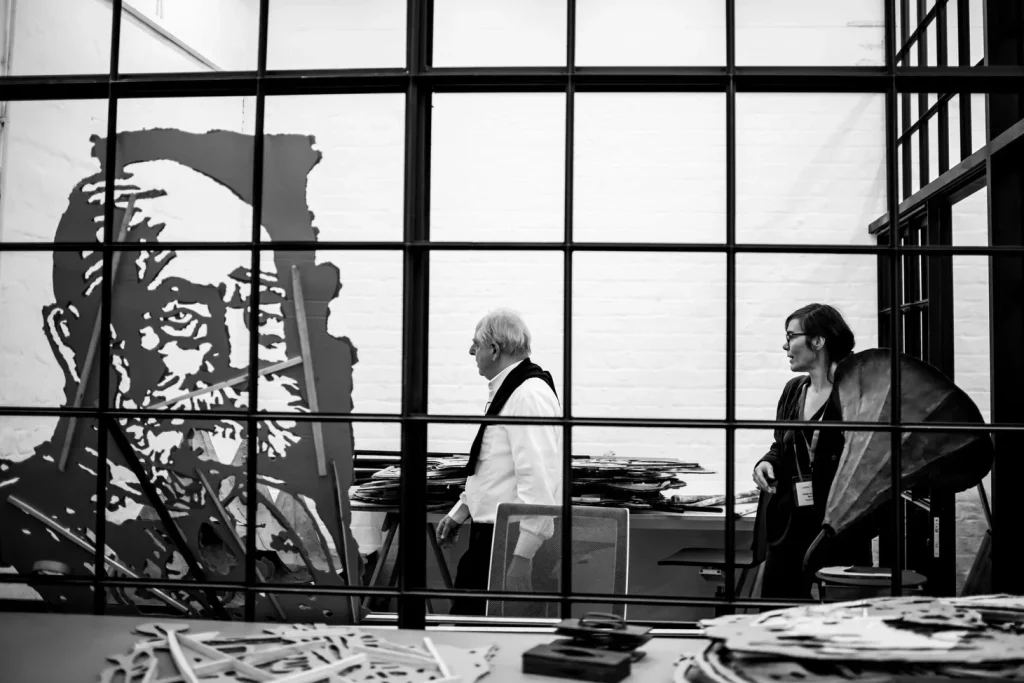
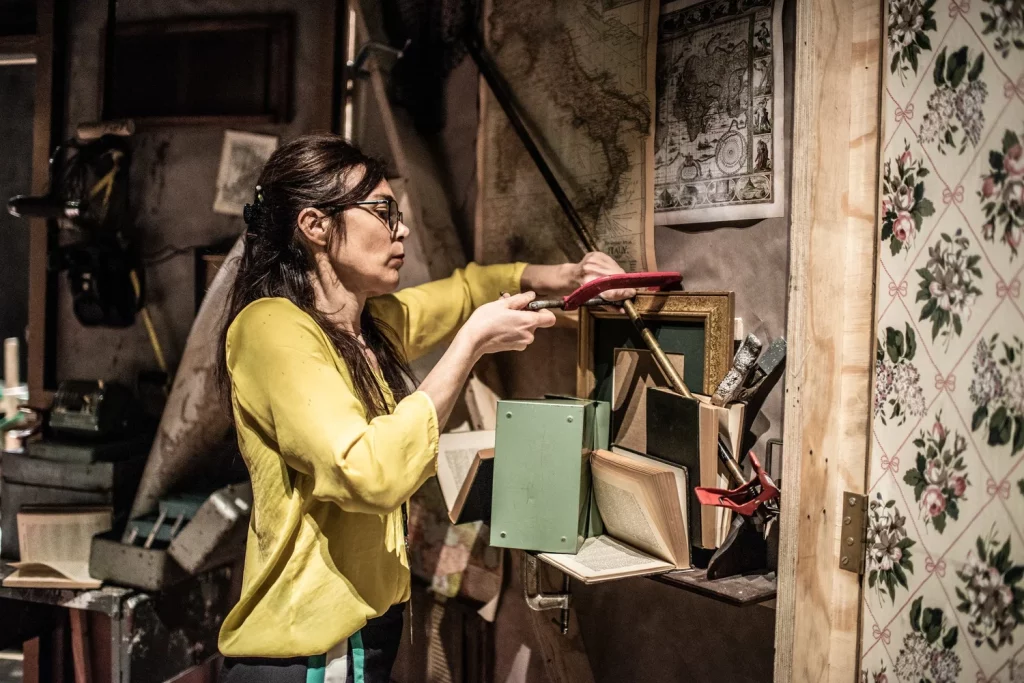
Where Kentridge’s process originates in charcoal and paper on the studio wall, Theunissen gives those visions physical form through an architectural discipline of cutting, assembling, and building. Her practice bridges structural rigour with theatrical imagination, turning raw materials and layered paper models into living, three-dimensional stages.
The profile page showcases Theunissen’s unique design methodology, her background in architectural engineering, and the enduring creative trust that underpins her twenty-year collaboration with Kentridge.
The full profile and archival imagery are available here.